You buy a beautiful brush, and it glides through your friend’s straight hair. Then you try it on your curls or your clip-in extensions, and it snags, stretches the strands, or leaves you with frizz. That’s the trouble with choosing a brush by looks alone. Bristle type, brush shape, and hair texture all decide whether a tool helps or harms. This guide covers the different types of hair brushes, what each one does, and who it suits best.
Why Does Choosing the Right Hair Brush Matter?
A brush affects far more than tidiness. The wrong one can drag through knots, add tension at the roots, rough up the cuticle, and leave you with frizz. The right one detangles with less pulling, smooths the surface, adds volume, or helps with styling.
There’s no single best option. The right pick depends on your hair texture, density, and condition, and on whether your hair is wet or dry. Knowing hair brush types and uses helps you avoid breakage, though no brush will make your hair grow faster.
Different Types of Hair Brushes and Their Uses
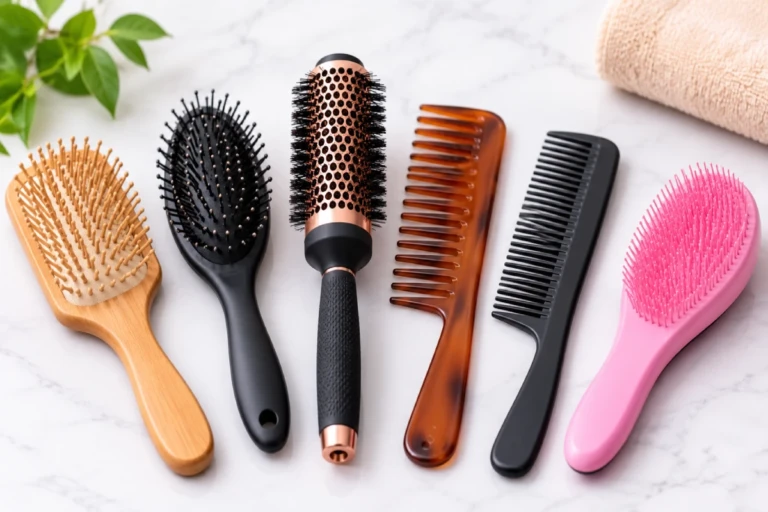
There are plenty of kinds of hair brushes, and each was built for a specific job. Here are the most common ones, what they’re designed to do, and where they fall short.
Paddle Brush
A paddle brush has a wide, flat cushion and usually flexible bristles. It covers a lot of hair per stroke, which makes it a good choice for smoothing and detangling longer straight or wavy hair. It also works well on dry hair that only needs a quick tidy. Its weakness is stubborn knots. Pulling a paddle brush through a tangle only stretches the hair, so loosen knots with your fingers first.
Round Hair Brush
A round hair brush is the classic blowout tool. You wrap sections around the barrel while blow-drying to create volume, bend at the ends, or get a smooth, bouncy finish. Barrel size matters. A small barrel makes tighter curls and works on short hair or fringes, while a large barrel gives loose waves and lift on longer lengths. Using a round brush for blow-drying takes practice, and over-wrapping can leave tangles around the barrel.
Detangling Brush
A detangling brush has flexible bristles that bend instead of snapping through knots. Start at the ends, work in small sections, and move upward as each part loosens. Many are designed for wet hair, often with conditioner, while others are meant for dry use, so check the manufacturer’s guidance. A good detangling brush suits most textures, but it still needs a gentle hand on very tangled hair.
Boar Bristle Brush
A boar bristle brush uses natural bristles that help spread scalp oils from root to tip, which can leave straight or fine hair looking smoother and shinier. Because the bristles are close together, it struggles with dense curls and very tangled hair. Think of it as a finishing brush for hair that’s already knot-free rather than a detangling tool.
Vent Brush
A vent brush has an open back that lets air pass straight through. That speeds up blow-drying and suits a quick, casual finish. It won’t give the polished curve of a round brush, but it’s lightweight and helpful for short or medium hair, or for rough-drying before you style properly.
Teasing Brush
A narrow teasing brush creates temporary root volume by backcombing a small section. It’s useful for updos, vintage styles, and lifting a flat crown. Use it sparingly. Aggressive teasing and repeated friction roughen the cuticle and make hair harder to comb out, so brush the tangles out gently from the ends afterwards.
Denman-Style Styling Brush
A Denman-style brush has rows of firm pins on a flat or slightly curved base. People use it to define curls, shape sections, and control tension while styling. Results depend on hair texture, technique, and the particular brush design, so what defines one person’s curls may frizz another’s. Use it on damp, conditioned hair and test it on a small section first.
Loop Brush for Hair Extensions
A loop brush uses looped bristles that glide over hair instead of catching on it. That can make it helpful for certain extensions, because there’s less snagging around attachment points. Hold the hair just below the attachment with one hand and brush from the ends upward with the other. If you’re caring for installed wefts, this guide to weft hair maintenance and detangling covers what to watch for.
Scalp Massage Brush
A scalp massage brush has soft, rounded silicone nubs, and it isn’t a detangling brush. You use it in the shower to spread shampoo and loosen product buildup and dead skin from the scalp. It feels good and can leave the scalp feeling cleaner, but it doesn’t promise hair growth. Detangle with a proper brush or comb first.
Which Hair Brush Should You Use for Your Hair Type?
When deciding which hair brush to use, texture and condition matter more than whatever is trending. Here’s how the options line up by hair type.
Best Hair Brush for Straight Hair
Straight hair is forgiving. A paddle brush smooths it, a round brush builds blowout volume, and a boar bristle brush distributes natural oils. Length and thickness matter, though. Longer, thicker hair does better with a wider brush head, while short hair suits a smaller one.
Best Hair Brush for Wavy Hair
Wavy hair frizzes easily when brushed dry. Try a gentle detangling brush or a wide-tooth comb on damp, conditioned hair, then leave it alone. Skipping unnecessary dry brushing helps preserve wave definition.
Best Hair Brush for Curly and Coily Hair
The best hair brush for curly hair is usually a flexible detangling brush or a wide-tooth comb, used in sections with plenty of conditioner. Dry brushing tends to break up curl clumps and cause frizz. Detangling needs also shift between patterns, as you’ll see when comparing 3C and 4A hair textures. Tighter coils usually need more slip, more patience, and smaller sections.
Best Hair Brush for Fine or Thin Hair
A hair brush for fine hair should have soft, flexible bristles and a light touch, because fine strands break under tension. A cushioned brush with gentle bristles works well. It helps to separate naturally fine hair from hair that’s thinning or breaking. If you’re noticing more shedding than usual, a doctor or trichologist can tell you what’s going on.
Best Hair Brush for Thick or Long Hair
Thick or long hair takes time. Divide it into sections, clip the rest away, and use a wide brush head with flexible bristles. Density and length decide how long detangling takes, so a bigger brush saves effort, but only if the bristles can reach through to the roots.
What Hair Brush Should You Use for Wigs and Hair Extensions?
Brushing wigs and extensions isn’t the same as brushing your own hair. Wefts, clip-ins, and bonded extensions all need support at the attachment point so the brush doesn’t pull on your natural hair. Start at the ends, work upward, and use a brush suited to the hair and the installation method. Some synthetic wigs need specialized tools, so check what the maker recommends. For brushing around beads and attachment points, this guide to microlink hair extension care is a useful reference. Whatever you choose, a loop brush or flexible detangling brush is a safer hair brush for extensions than a stiff, tightly packed one.
Hair Brush vs Hair Comb: What’s the Difference?
Brushes and combs overlap, but they’re not interchangeable.
| Situation | Hair Brush | Hair Comb |
| Detangling | Good with flexible bristles | Good with wide teeth |
| Styling | Better for smoothing and volume | Better for parting and precision |
| Wet hair | Only if designed for it | Often easier on damp hair |
| Curly hair | Flexible detangling brush works | Wide-tooth comb often preferred |
| Fragile strands | Choose soft, flexible bristles | Smooth, seamless teeth help |
A wide-tooth comb can be gentler on wet or curly hair, but combs aren’t always safer. A rough or seamed comb snags just as easily as a poor brush.
How to Choose the Right Hair Brush for Your Styling Routine
Ask yourself these questions before buying:
- Hair texture: Straight, wavy, curly, or coily?
- Length and density: Do you need a wider head or smaller sections?
- Styling goal: Are you smoothing, detangling or blow-drying?
- Bristle flexibility: Softer for fine or fragile hair, firmer for thick, straight hair.
- Brush size: Match barrel or head size to your hair length.
- Heat tools: If you blow-dry, check that the brush is heat-safe.
If you mostly need knot removal, choose a detangling brush. For polish, go for a paddle or boar bristle brush. For blowouts, pick a round or vent brush.
How to Brush Your Hair Without Causing Breakage
Start at the ends and work upward in small steps, so you’re not forcing a brush through a knot from the roots. Section thick hair and hold the strands above the brush to take tension off the scalp. Wet hair is more fragile, so be extra gentle and use conditioner or a detangling product where appropriate. Textured hair often does best when detangled damp and in sections, but that approach won’t suit everyone, so adjust it to your hair.
Common Hair Brushing Mistakes to Avoid
- Pulling through knots: It stretches and snaps strands, so loosen knots gently first.
- Brushing curls too aggressively: It disrupts curl patterns and causes frizz.
- Using the wrong brush with heat: Plastic or non-heat-safe bristles can warp or damage hair.
- Ignoring attachment points: Brushing over bonds, beads, or wefts can pull on natural hair.
- Using a dirty or damaged brush: Buildup transfers back to hair, and broken bristles snag.
How to Clean and Maintain Your Hair Brushes
Remove shed hair after each use with a comb or your fingers. Every week or two, wash away oil and product buildup with warm water and a little mild shampoo, then rinse. Wooden handles, natural bristles, and cushioned brushes need different care. Avoid soaking them, and clean the bristles only. Dry brushes bristle-side down on a towel so water doesn’t collect in the cushion. Replace a brush when the bristles are bent or missing, the cushion is cracked, or you can’t get it clean.
Frequently Asked Questions About Hair Brushes
What are the different types of hair brushes?
Paddle, round, detangling, boar bristle, vent, teasing, Denman-style, loop, and scalp massage brushes, each suited to a different task.
Which hair brush should I use every day?
Choose by hair texture and condition. A flexible detangling or paddle brush suits most everyday needs.
Is a paddle brush or round brush better?
Paddle brushes smooth and detangle. Round brushes create volume and curved blowout styles.
What type of brush is best for curly hair?
A flexible detangling brush or wide-tooth comb, used gently in sections on conditioned, damp hair.
Should you brush your hair when it is wet or dry?
Wet hair is fragile, and curls often prefer damp detangling. Many straight textures tolerate gentle dry brushing.
Are boar bristle brushes good for all hair types?
No. They suit smooth, fine, or straight hair but struggle with dense curls and heavy tangles.
What brush should you use for hair extensions?
A loop or flexible detangling brush, held near attachment points and used gently from the ends.
Can using the wrong hairbrush cause breakage?
Yes. Excess tension, snagging, and rough bristles can stress strands and increase breakage.
How often should you clean your hair brush?
Remove hair after each use and wash every one to two weeks, more often with heavy product.
How often should you replace your hair brush?
Replace it when bristles bend or fall out, the cushion wears, or you can’t clean it properly.
Keep Your Hair Looking Its Best
The right brush makes everyday care easier, whether you’re looking after natural hair, a wig, or installed extensions. Pick a tool that suits your texture, brush gently and keep it clean, and you’ll spend less time fighting tangles. If extensions are part of your styling routine, explore hair extensions to find a length and texture that suits you.
Share this Article
Facebook
LinkedIn
WhatsApp
Email
Print
Latest Posts


Find the perfect hair for your next look?
Explore a curated selection of premium extensions and wigs from trusted vendors on NiCa Collection.
Read Related Blog
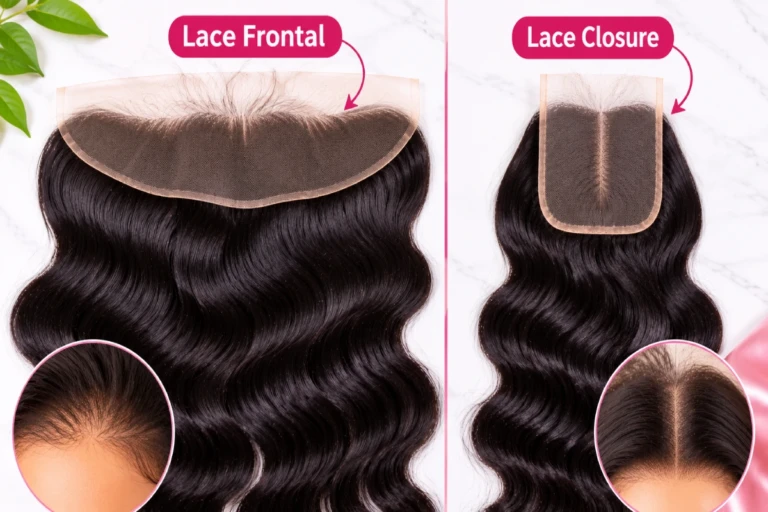
Lace Frontal vs Lace Closure: Differences, Pros & Cons
November 19, 2026
You’ve decided on a sew-in or a wig, and now the stylist asks: frontal or closure? It sounds like a small detail, but the answer shapes how your hair looks,
Quick Weave: Hairstyles, Types & How to Do It
November 5, 2026
A quick weave is one of the fastest ways to completely change your look. No hours-long braiding session or needle and thread, just a prepared foundation, a few rows of

Best Hairstyles for Every Face Shape
October 25, 2026
Choosing a hairstyle for your face shape comes down to balance. Every haircut adds lines, volume, and shape around the face, and those details can make certain features stand out