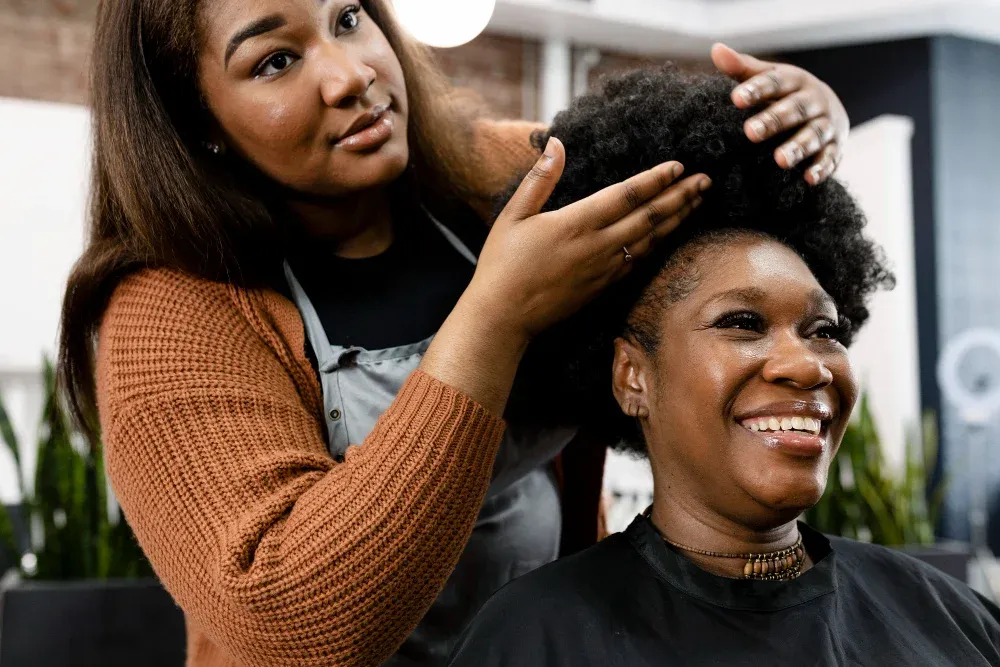
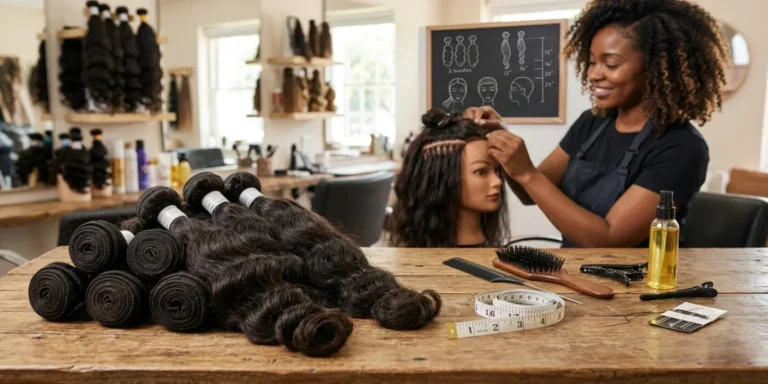
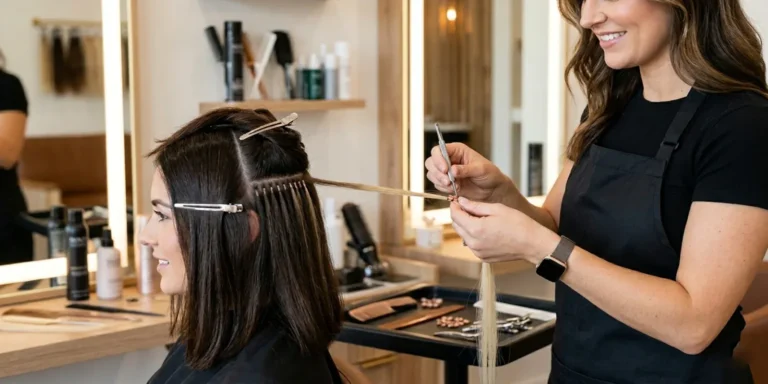
For years, hairstylists have been at the center of the beauty experience. They are the trusted advisors, the creative experts, and often the deciding voice behind what clients choose for their hair. Yet despite this influence, many stylists have traditionally earned only from services, appointments that are limited by time, location, and physical capacity.
The modern beauty economy is changing that. Today, stylists are no longer confined to the chair. With the rise of digital platforms and smarter commerce models, they now have the opportunity to turn their expertise into scalable income streams. The shift is not about working more; it’s about working smarter and leveraging the value they already provide.
The Untapped Value of Stylist Influence
Every day, stylists answer questions that directly influence purchasing decisions. Clients ask what type of hair to buy, which texture will match best, how long it will last, and whether a certain product is worth the investment. These conversations are not casual; they are high-intent buying moments.
In traditional settings, this value often goes unmonetized. A stylist may recommend a product, but the actual purchase happens elsewhere. The result is a disconnect between influence and income.
In a more evolved system, that gap is closed. Stylists become active participants in the transaction, earning from the decisions they help shape. This is where the concept of monetizing expertise becomes powerful; it transforms everyday interactions into revenue opportunities.
Breaking Free from Time-Based Income
The biggest limitation in a stylist’s career has always been time. There are only so many hours in a day and only so many clients that can be served. No matter how skilled or in-demand a stylist becomes, income remains tied to availability.
Monetization through product referrals changes this dynamic. Instead of earning only when physically present, stylists can generate income from recommendations that happen both inside and outside the salon.
This creates a hybrid model where service income is complemented by passive or semi-passive earnings. Over time, this diversification can lead to greater financial stability and growth.
Turning Trust into a Revenue Stream
Trust is the most valuable asset a stylist has. Clients rely on their judgment because it is based on experience, training, and an understanding of individual needs. This trust is not easily built, and it cannot be replicated by generic online reviews or advertisements.
When stylists recommend products through a structured platform, that trust becomes a measurable and rewarding asset. Each recommendation carries weight, and when it leads to a purchase, the stylist benefits directly.
Platforms are designed to support this model by connecting stylists, vendors, and customers within a single ecosystem. Instead of operating in isolation, stylists become part of a network where their expertise is recognized and compensated.
Enhancing the Client Experience
Monetization is not just about earning more; it’s also about delivering a better experience. When stylists have access to a curated marketplace, they can recommend products with greater confidence.
Clients benefit from this clarity. Instead of searching endlessly or risking poor-quality purchases, they are guided toward options that have been vetted and aligned with their needs. This reduces frustration and increases satisfaction.
The result is a stronger relationship between stylist and client. Trust deepens, loyalty increases, and the overall experience becomes more seamless.
Building a Personal Brand Beyond the Chair
In today’s digital landscape, a stylist’s brand extends far beyond the salon. Social media, online portfolios, and digital platforms have made it possible to reach a global audience.
Monetizing expertise fits naturally into this expanded presence. A stylist who shares knowledge, showcases work, and engages with an audience can also guide followers toward products that align with their recommendations.
This creates a cohesive brand experience where content, expertise, and commerce are interconnected. Over time, this approach can elevate a stylist from a service provider to a recognized authority in their niche.
Leveraging Data for Smarter Recommendations
One of the advantages of modern platforms is access to data. Stylists can gain insights into which products perform well, what clients prefer, and how trends are evolving.
This information enhances decision-making. Instead of relying solely on intuition, stylists can combine their expertise with data-driven insights to make more precise recommendations.
For clients, this means better outcomes. For stylists, it means increased credibility and higher conversion rates. The combination of knowledge and data creates a powerful advantage.
Creating Multiple Income Streams
Diversification is a key principle in financial growth, and it applies just as much to stylists as it does to any other profession. By adding product-based earnings to service income, stylists create multiple streams of revenue.
These streams can include:
- Commissions from product referrals
- Partnerships with premium vendors
- Exclusive recommendations tied to personal branding
Each stream contributes to a more resilient and scalable business model. Instead of relying on a single source of income, stylists can build a more balanced and sustainable career.
Positioning for Long-Term Growth
The beauty industry is becoming increasingly competitive, and staying ahead requires adaptability. Stylists who embrace new models of earning are better positioned for long-term success.
Monetizing expertise is not a short-term trend; it reflects a broader shift toward integrated commerce. As platforms continue to evolve, the opportunities for stylists will expand further.
Those who adopt early can establish themselves as leaders within this new landscape, gaining visibility, credibility, and a competitive edge.
Overcoming Common Misconceptions
Some stylists may hesitate to embrace monetization because they fear it could compromise their authenticity. In reality, the opposite is true when done correctly.
Authenticity comes from recommending products that genuinely align with a client’s needs. When the focus remains on quality and suitability, monetization becomes a natural extension of the service, not a replacement for it.
Another misconception is that this model requires extensive technical knowledge or a large online following. In practice, many platforms are designed to be intuitive and accessible, allowing stylists to start with minimal barriers.
The Shift from Service Provider to Business Owner
At its core, monetizing expertise is about mindset. It requires seeing oneself not just as a service provider, but as a business owner with multiple avenues for growth.
This shift opens the door to new possibilities. Stylists can think strategically about how they position themselves, how they engage with clients, and how they build their brand.
It also encourages a more proactive approach to career development. Instead of waiting for opportunities, stylists can create them.
Conclusion
The role of the stylist is evolving. No longer limited to the salon chair, today’s beauty professionals have the tools and opportunities to expand their influence and income in meaningful ways.
By monetizing their expertise, stylists can transform everyday interactions into lasting value. They can enhance the client experience, build stronger relationships, and create a more sustainable and scalable career.
The future of beauty belongs to those who recognize the full potential of their skills and take steps to leverage them. For stylists ready to move beyond traditional limits, the path forward is clear and full of opportunity.