

If you have type 4 hair, you already know the frustration of moisturizing in the morning, only to feel dry again by afternoon. It is not your imagination. Type 4 hair, especially 4c, is structurally one of the most moisturizable types, with scalp oils able to travel down the hair shaft, which means your strands are almost always fighting against dryness.
Here is the truth no one tells you upfront: keeping type 4 hair moisturized for multiple days is absolutely possible. It just requires the right technique, the right products, and a consistent routine built around how your hair actually works, not how you wish it worked.
In this guide, you will learn exactly how to moisturize 4c hair and make that moisture last, from the best layering methods to protective styling strategies, nighttime routines, and the habits that quietly drain your hair’s hydration faster than you realize. Let us get into it.
Why Is Type 4 Hair So Hard to Keep Moisturized?
Before solving the problem, it helps to understand why it happens.
Type 4 hair, including 4a, 4b, and 4c patterns, grows in tight coils and bends. While beautiful and versatile, that structure creates a challenge.
On straighter hair textures, scalp oils travel easily down the hair shaft and naturally coat strands. On type 4 hair, the twists and curves interrupt that journey.
As a result:
- Ends stay dry
- Moisture escapes quickly
- Hair becomes fragile faster
- Breakage becomes more common
Porosity also plays a major role.
Some people apply product after product without realizing the issue is not moisture itself; it is how the hair absorbs and keeps it.
High Porosity Type 4 Hair
If your hair absorbs water quickly but dries just as fast, you likely have high porosity hair.
Focus on sealing products immediately after moisturizing.
Low Porosity Type 4 Hair
If products seem to sit on your hair instead of absorbing, your hair may have low porosity.
Warmth often helps. Many people notice their conditioners work much better after using gentle heat or simply applying products after a warm shower.
The LOC and LCO Method: The Foundation of Lasting Moisture
One of the most effective methods for type 4 hair is layering products strategically.
What Is the LOC Method?
LOC stands for Liquid → Oil → Cream, applied in that exact order.
- Liquid: Start with water or a water-based leave-in conditioner. This is the actual moisture your hair absorbs.
- Oil: Apply a penetrating oil (like jojoba, avocado, or olive oil) over the liquid layer. This helps the moisture absorb and begins sealing the cuticle.
- Cream: Finish with a moisturizing cream or butter (shea butter, a styling cream) to seal everything in and create a protective barrier.
What Is the LCO Method?
LCO stands for Liquid → Cream → Oil. It is identical except that the cream and oil positions are switched. The cream moisturizes and softens, while the oil on top creates the final seal.
Which one is better for type 4 hair? There is no universal answer; it depends on your porosity. High porosity hair often benefits more from LOC, where the oil goes between liquid and cream to slow moisture loss. Low porosity hair sometimes responds better to LCO, where lighter cream goes first and the oil seals without smothering.
Try both for two weeks each and see which one keeps your hair feeling softer longer.
How Often Should You Moisturize 4c Hair?
Most people with 4c hair need to moisturize every two to five days. However, the exact frequency depends on your lifestyle, climate, and how well you seal the moisture in.
Rather than asking “how often should I moisturize,” the better question is: how long does my moisture last, and what is cutting it short?
The main factors that affect moisture retention:
- Climate and humidity: Dry climates pull moisture from your hair faster. If you live somewhere arid, you rely more heavily on sealing products.
- Protective styling: Hair that is braided, twisted, or tucked away loses moisture much more slowly than hair exposed to air and friction daily.
- Pillowcase material: Cotton pillowcases absorb moisture from your hair overnight. Switching to satin or silk makes a noticeable difference.
- Product quality: Heavy, synthetic products can cause buildup that blocks moisture from entering the hair shaft during your next session.
The goal is to extend your moisturizing routine to every three to four days at a minimum. Needing to do it daily is a sign that something in your sealing routine needs adjustment, not a sign that you should simply moisturize more.
Step-by-Step Routine: How to Keep Type 4 Hair Moisturized for Multiple Days
Here is a practical, proven routine to follow on wash day and the days after.
Wash Day (Foundation Day)
Everything starts here. How you treat your hair on wash day determines how well moisture holds for the rest of the week.
Step 1: Pre-poo with an oil or conditioner
Apply a generous layer of olive oil, coconut oil, or a thick conditioner to dry hair before shampooing. Let it sit for 20 to 30 minutes. This protects the hair from the stripping effect of shampoo.
Step 2: Shampoo gently
Use a sulfate-free shampoo. Sulfates are powerful cleansers that strip type 4 hair of moisture aggressively. A moisturizing or co-wash formula is gentler and removes buildup without completely drying out the hair.
Step 3: Deep condition; do not skip this
Deep conditioning is non-negotiable for type 4 hair. Apply a rich, deep conditioner and sit under a hooded dryer or use a heated cap for 20 to 45 minutes. Heat opens the cuticle and allows the conditioning ingredients to actually penetrate the shaft.
Step 4: Apply the LOC or LCO method while hair is still damp
This is the most critical step. Do not wait until the hair is dry. While hair is still damp from rinsing out your conditioner, section the hair and apply your liquid, oil, and cream in layers. Work in small sections to ensure full coverage.
Step 5: Style into a protective style
Twists, braids, bantu knots, or a wash-and-go with a strong hold gel will protect your hair and slow moisture loss as the style dries.
Days Two Through Five: The Refresh Routine
This is where most people go wrong; they either over-wet the hair daily (disrupting the moisture balance) or do nothing until the hair is completely dry again.
The key is a light refresh, not a full re-moisturizing session.
- Spritz lightly with a diluted leave-in spray (water mixed with a small amount of leave-in conditioner works well).
- Seal lightly with a small amount of your preferred oil, focusing on the ends.
- Fluff, finger coil any shrunken sections, and go.
If your hair is in twists or braids, simply spritz the spray over the style, press lightly with your hands to push the moisture in, and seal the ends.
Best Products and Ingredients for Long-Lasting Type 4 Moisture
Not all products are created equal for type 4 hair. Here is what to look for and what to avoid.
Ingredients That Lock in Moisture
- Glycerin: A humectant that draws moisture from the air into the hair shaft. Works beautifully in humid climates; use sparingly in very dry weather.
- Shea butter: A rich emollient that seals the cuticle and prevents moisture loss. A staple for type 4 hair.
- Aloe vera: A natural moisturizer and humectant that also soothes the scalp and softens the hair shaft.
- Avocado oil and olive oil: Penetrating oils that can actually enter the hair shaft rather than just sitting on top.
- Castor oil: A thick sealant, especially useful on the ends, which are the oldest and most fragile part of the hair.
Ingredients to Avoid
- Sulfates (sodium lauryl sulfate, sodium laureth sulfate): Strip moisture aggressively, especially problematic in type 4 hair.
- Alcohol-based products (isopropyl alcohol, alcohol denat): These cause rapid moisture evaporation.
- Petrolatum and mineral oil: These create a barrier on the hair but do not moisturize it, and they block moisturizing products from penetrating in future sessions.
- Silicones (non-water-soluble): Similar to mineral oil, they coat the hair without nourishing it and require clarifying shampoos to remove.

Protective Styles That Help Type 4 Hair Retain Moisture Longer
One of the smartest strategies for keeping type 4 hair moisturized is simply reducing how much the hair is exposed to the elements. Protective styles tuck the ends away, reduce manipulation, and slow evaporation significantly.
Box Braids and Knotless Braids
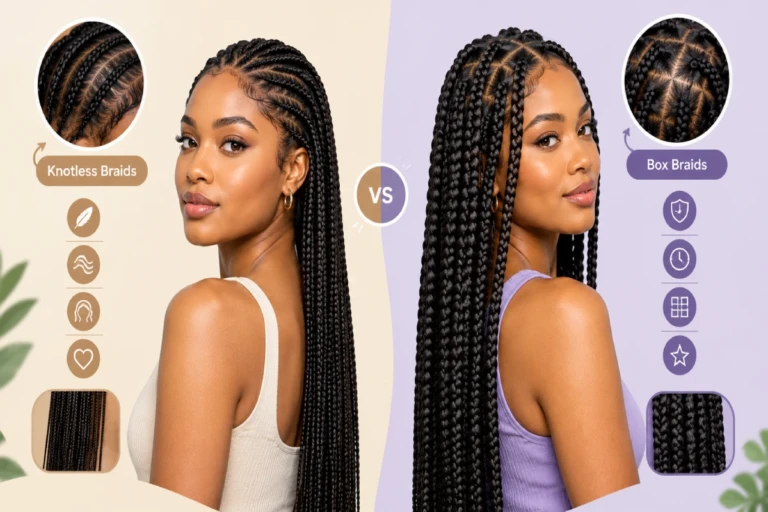
These keep hair moisturized for weeks when installed properly. Mist the hair through the braids every few days, seal the exposed roots with a light oil, and your natural hair underneath stays in much better condition than it would if worn loose daily.
Two-Strand Twists
Twists are one of the gentlest protective styles for type 4 hair. They stretch the hair slightly (reducing breakage from shrinkage), hold moisture well, and can be refreshed without fully unraveling.
Wigs and Weaves as a Protective Approach
Wearing wigs can also give natural hair a break.
Many women say some of their healthiest hair periods happened while consistently wearing protective styles underneath wigs because their natural hair finally had time to rest.
The important part is making sure the hair underneath remains moisturized before installation.
Nighttime Routine: The Make-or-Break Step Most People Skip
Here is something that surprises a lot of people: up to 40% of the moisture in type 4 hair can be lost overnight, not from styling, but from sleeping on the wrong surface and without proper protection.
Satin Bonnet or Scarf
A satin or silk bonnet is the single most impactful nighttime addition you can make. It eliminates friction between your hair and your pillow, prevents moisture from being absorbed into the pillowcase fabric, and helps your style last longer into the following days.
Pineappling
If your hair is long enough, loosely gathering it on top of your head in a large, loose ponytail before sleeping, a technique called “pineappling” keeps the style mostly intact and prevents the ends from rubbing against anything overnight.
Re-moisturizing Before Bed (If Needed)
If your hair feels dry before bed, do not wait until morning. A light spritz with your leave-in spray and a small amount of sealing oil applied before putting on your bonnet helps replenish any moisture lost during the day and sets your hair up for better condition in the morning.
Common Mistakes That Drain Type 4 Hair Moisture Fast
- Moisturizing without sealing: Water evaporates without an oil or cream seal. The seal is what makes moisture last, not the water itself.
- Using heavy butters on low porosity hair: Shea butter and thick creams sit on top of low porosity hair and cause buildup without penetrating. Use lighter oils and creams instead.
- Washing hair in very hot water: Hot water raises and damages the cuticle, making it harder for hair to hold moisture afterward. Use warm water for washing, cool water for rinsing.
- Skipping the deep conditioner: A quick rinse-out conditioner is not a substitute. Deep conditioning is where the real moisture restoration happens.
- Over-manipulating the hair: Every time you touch, comb, or style your hair, you risk breaking the moisture seal you worked to create. Less is more.
- Neglecting the ends: The ends of type 4 hair are the oldest, driest, and most fragile section. Always start moisturizing at the ends and work upward. Most people do the opposite and wonder why their ends stay dry.
FAQ: Moisturizing Type 4 and 4c Hair
Q: How often should I moisturize 4c hair?
Most 4c hair types need moisturizing every two to four days with proper sealing technique.
Q: Why does my type 4 hair dry out so fast?
High porosity or lack of a sealing step causes moisture to escape the hair shaft quickly.
Q: What is the best method to keep type 4 hair moisturized?
The LOC or LCO method, liquid, oil, cream applied in layers, is the most effective technique.
Q: Can I moisturize type 4 hair without water?
No water or a water-based product is the only true source of moisture; oil alone does not moisturize.
Q: Does protective styling help with moisture retention?
Yes, braids, twists, and wigs significantly reduce moisture loss by limiting exposure and manipulation.
Q: Is shea butter good for type 4 hair moisture?
Yes, for high porosity hair; for low porosity, lighter oils work better, as shea can block moisture penetration.
Q: How do I know if my type 4 hair is low or high porosity?
Place a clean strand in water. If it sinks fast, high porosity; if it floats, low porosity.
Q: What oils are best for sealing moisture in type 4 hair?
Castor oil, avocado oil, and jojoba oil are excellent sealants that help lock in long-lasting moisture.
Q: Should I moisturize my hair before or after protective styling?
Always moisturize before applying the LOC method fully, then install your protective style over it.
Q: Can wearing a wig help protect my natural type 4 hair?
Absolutely, a properly installed wig shields natural hair from manipulation and environmental moisture loss.
Building a Routine Your Hair Actually Likes
Healthy moisture retention rarely happens from one miracle product.
It usually comes from small habits repeated consistently, such as better wash days, less manipulation, protecting hair at night, and learning what your own texture responds to.
Type 4 hair often rewards patience. Once you start paying attention to how your hair behaves rather than fighting against it, maintaining soft and moisturized hair for multiple days starts feeling much easier.
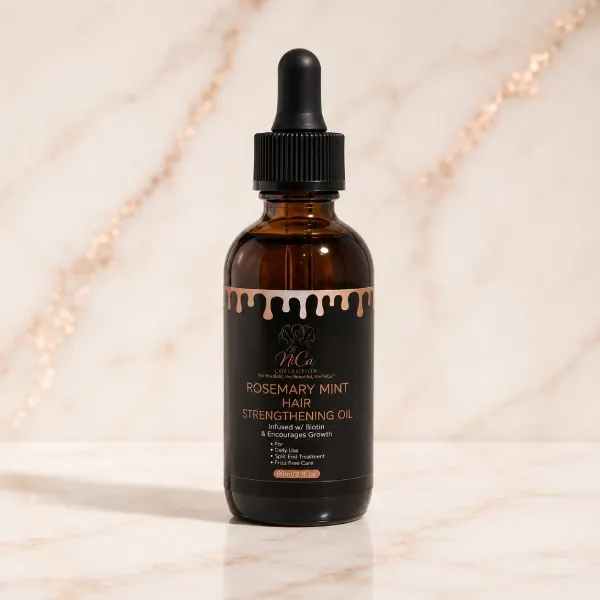
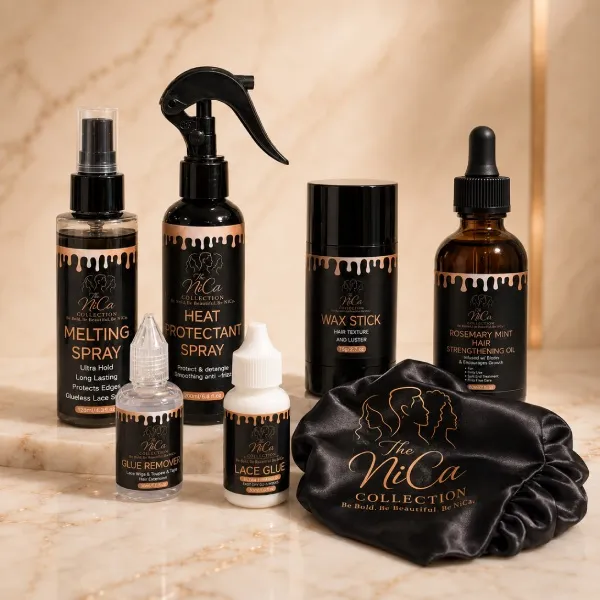
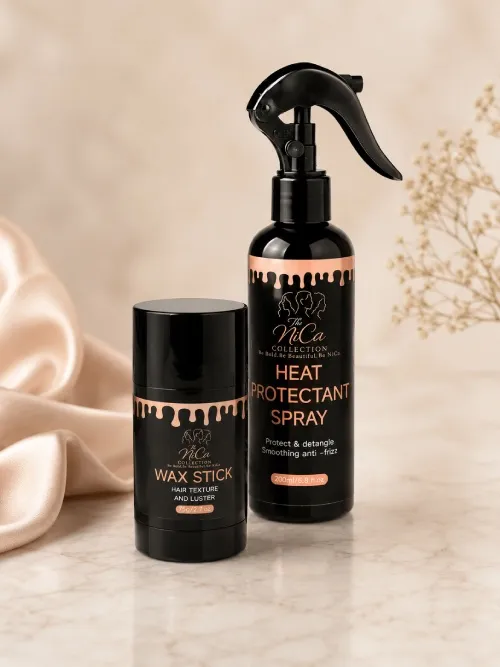
And on the days you want to give your natural hair a full break? A gorgeous, high-quality wig lets your strands rest and retain moisture without sacrificing your look. Browse vetted, premium protective styling options from Indian raw wave units to Brazilian HD lace wigs at The Nica Collection’s curated shop. And when you are ready to upgrade your knowledge on choosing the best hair for your protective style, read their in-depth guide on how to choose high-quality hair extensions to make sure every dollar you invest in your hair goes further.
Your hair is worth the care. Start with one change this week, stay consistent, and let your type 4 hair show you what it can really do.




Bangs Hair: Types, Hairstyles and Face Shape Guide
Bangs hair is a section of hair at the front of the head that is cut shorter than the rest, so it falls over the forehead. In the UK and
Knotless vs Box Braids: Difference, Lasting Time, Comfort and Style
The main difference between knotless vs box braids comes down to how each style starts at the root. Box braids start with a small knot that secures the extension hair

Difference Between 3C and 4A Hair: Types, Texture & Styles
If you’ve ever looked at a curl chart and felt like your hair belongs in two boxes at once, you’re in good company. 3C and 4A sit right next to