
Hair extensions have become an essential part of modern beauty, offering versatility, volume, and length in ways that natural hair alone sometimes cannot. However, not all hair extensions are created equal. Choosing high-quality extensions can make the difference between a flawless, natural look and a disappointing experience. With so many options available, it’s important to understand what truly defines quality and how to make the right choice for your needs.
This guide breaks down everything you need to know, from hair types to construction, density, and longevity, so you can shop confidently and get the best value for your investment.
Understanding Hair Types
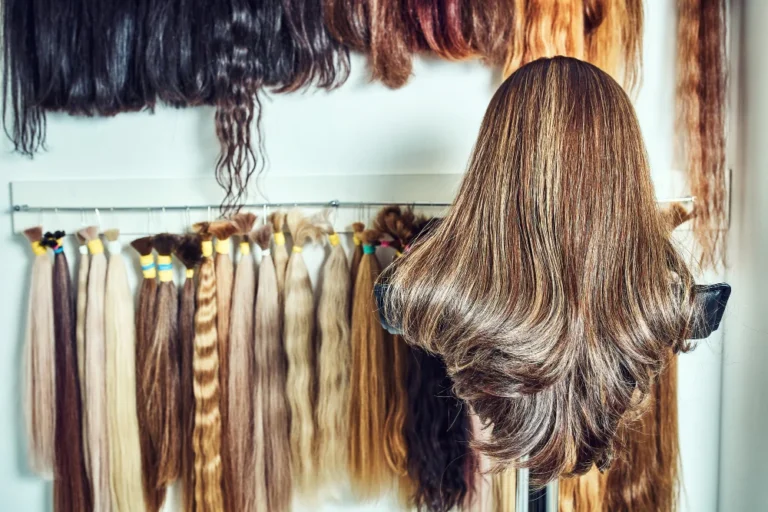
The first and most important factor when choosing hair extensions is the type of hair used. Generally, hair extensions fall into two main categories: synthetic hair and human hair.
Synthetic hair is more affordable but lacks the natural look and versatility of human hair. It cannot withstand heat styling and tends to have a shorter lifespan. Human hair, on the other hand, offers a more realistic appearance, can be styled with heat tools, and lasts significantly longer when properly maintained.
Within human hair, you’ll encounter several popular options:
- Indian Hair: Known for its softness and natural bounce, Indian hair blends well with many textures and is highly versatile.
- Peruvian Hair: Thicker and slightly coarser, Peruvian hair provides great volume and works well for fuller styles.
- Brazilian Hair: Durable and dense, Brazilian hair is ideal for those who want a voluminous, long-lasting look.
Raw hair is often considered the highest quality because it is unprocessed and collected from a single donor, ensuring consistency in texture and longevity. If you’re looking for premium results, raw hair is typically the best option.
Lace Types and Construction
If you are purchasing wigs or lace units, understanding lace types is crucial. The lace determines how natural the hairline appears and how comfortable the unit feels.
- HD Lace: Ultra-thin and nearly invisible, HD lace blends seamlessly with the scalp, making it ideal for a natural look.
- Transparent Lace: Slightly thicker than HD lace but still provides a natural appearance at a more affordable price.
- Regular Lace: More durable but less detectable, often requiring customization to match your skin tone.
The size of the lace closure or frontal also matters. A 5×5 closure provides a natural parting space, while larger frontals offer more styling flexibility. Choosing the right construction depends on your styling preferences and how much versatility you want.
Hair Density Explained
Density refers to how thick or full the hair appears on a wig or bundle. It is usually expressed as a percentage, such as 130%, 150%, or 180%.
- 130% Density: Light and natural, suitable for everyday wear.
- 150% Density: Medium fullness, offering a balance between natural and voluminous.
- 180% and above: Very full and glamorous, ideal for bold styles.
Choosing the right density depends on your personal style and comfort level. If you prefer a subtle, natural look, lower density is best. For dramatic volume, higher density is the way to go.
Texture and Style Options
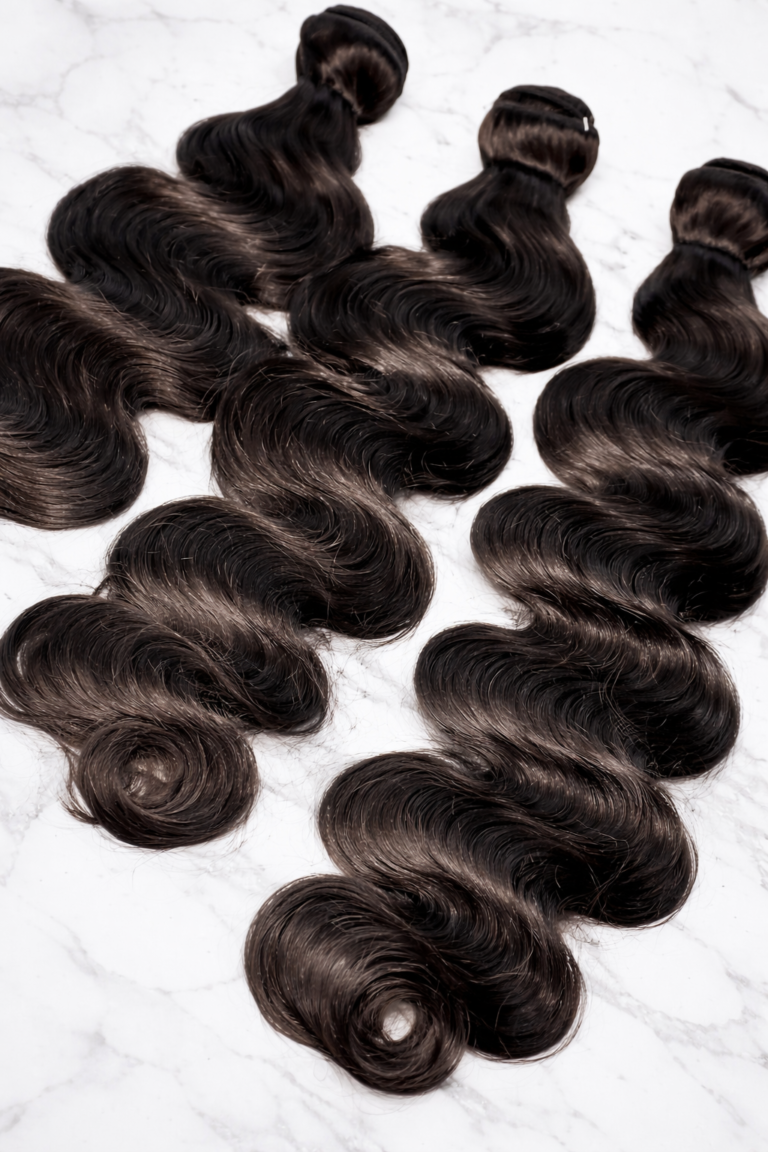
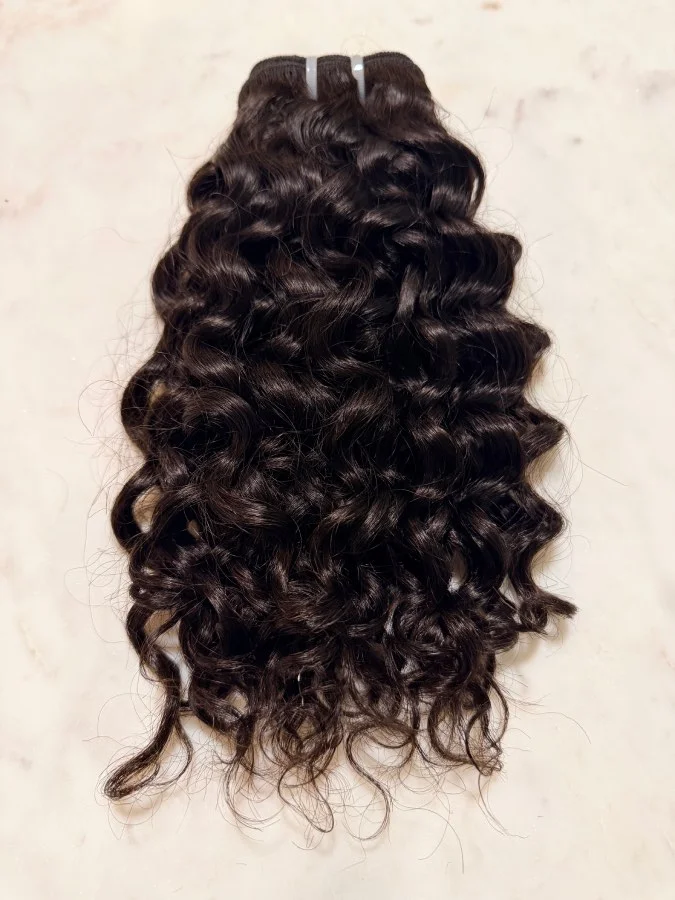
Hair extensions come in a variety of textures, including straight, body wave, deep wave, and curly. Selecting the right texture is essential for achieving a cohesive look.
If you want extensions that blend seamlessly with your natural hair, choose a texture that closely matches it. For those who enjoy experimenting with different styles, versatile textures like body wave can be easily straightened or curled.
It’s also important to consider how well the hair holds its pattern after washing. High-quality hair retains its texture and shape with minimal effort, reducing the need for constant restyling.
Length and Layering
Hair extensions are available in a wide range of lengths, typically measured in inches. While longer hair can create a dramatic effect, it also requires more maintenance and care.
When choosing a length, think about your lifestyle and how much time you’re willing to spend styling. Layered extensions can add movement and dimension, making the hair look more natural and less bulky.
Color and Customization
High-quality human hair extensions can be dyed, toned, and customized to match your desired look. However, lighter shades or pre-colored hair may have undergone processing, which can affect durability.
If you plan to color your extensions, starting with natural black or dark brown hair is often the safest choice. This allows for greater control over the final result while maintaining the integrity of the hair.
Longevity and Maintenance
One of the biggest advantages of investing in high-quality hair extensions is their longevity. With proper care, premium human hair can last months or even years.
To extend the lifespan of your extensions:
- Use sulfate-free shampoos and conditioners
- Avoid excessive heat styling
- Store hair properly when not in use
- Detangle gently to prevent shedding
Consistent care not only preserves the hair’s appearance but also protects your investment.
Recognizing Quality Indicators
When shopping for hair extensions, several signs indicate high quality:
- Minimal shedding and tangling
- Soft, smooth texture from root to tip
- Consistent thickness throughout the bundle
- Natural shine without excessive coating
Be cautious of hair that feels overly silky or coated, as this may be a temporary effect that fades after washing.
The Importance of Buying from Trusted Sources
Even if you understand all the technical aspects of hair extensions, the source you purchase from plays a critical role. A reliable platform ensures that vendors are vetted, products are authentic, and customers receive what they expect.
This is where platforms like us make a difference. By connecting customers with verified vendors and offering curated selections, trusted marketplaces remove much of the uncertainty from the buying process.
Instead of navigating countless unverified sellers, you can focus on finding the perfect match based on quality, style, and personal preference.
Making the Right Choice for You
Choosing high-quality hair extensions ultimately comes down to understanding your needs and aligning them with the right features. Consider your lifestyle, styling habits, and desired look before making a decision.
If you’re new to extensions, start with a versatile option that offers flexibility and ease of maintenance. As you become more familiar with different types and textures, you can explore more specialized options.

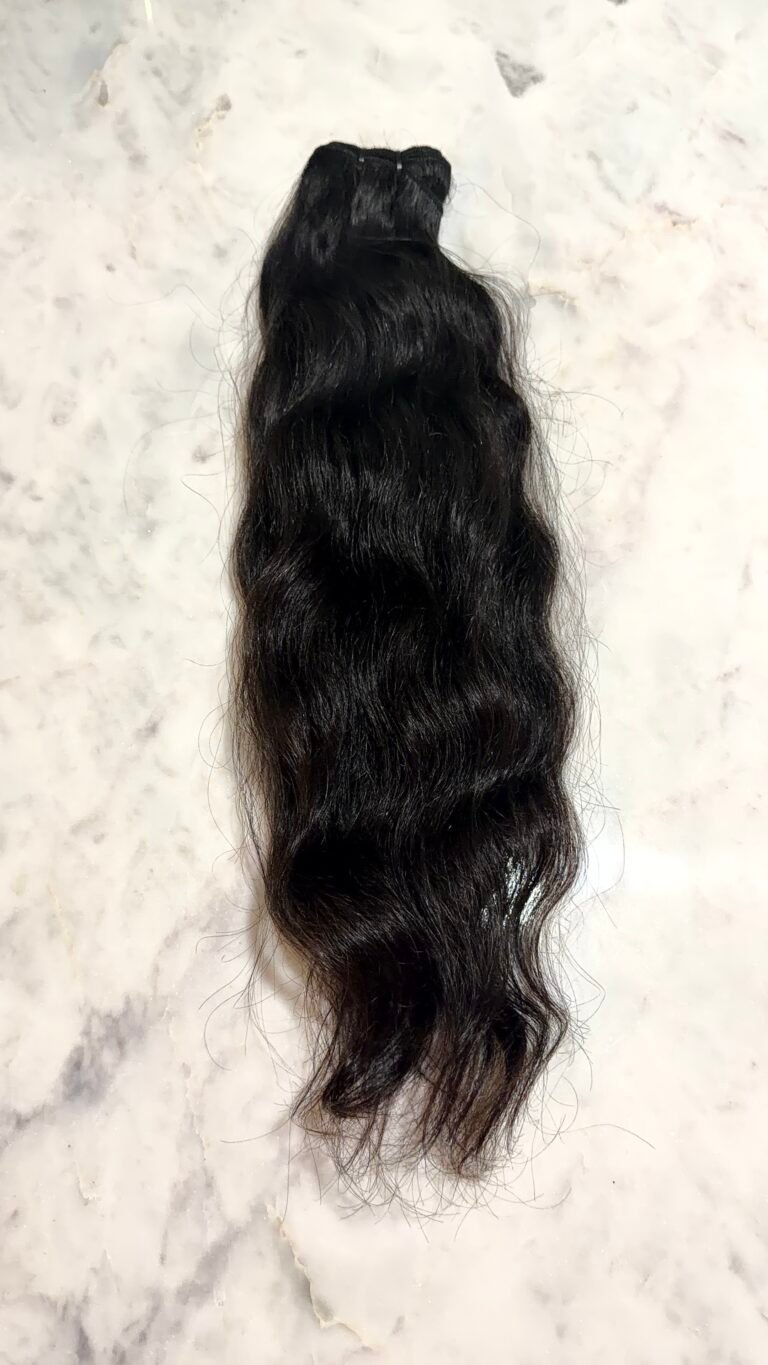
Remember, high-quality hair is an investment in your appearance and confidence. Taking the time to choose the right extensions ensures that you achieve a look that feels natural, lasts longer, and enhances your overall style.
Final Thoughts
The world of hair extensions can seem overwhelming at first, but with the right knowledge, it becomes much easier to navigate. By focusing on hair type, lace construction, density, texture, and source, you can confidently select extensions that meet your expectations.
Quality should always come first. When you invest in well-made, carefully sourced hair extensions, you’re not just buying a product, you’re elevating your entire beauty experience.



Bangs Hair: Types, Hairstyles and Face Shape Guide
Bangs hair is a section of hair at the front of the head that is cut shorter than the rest, so it falls over the forehead. In the UK and
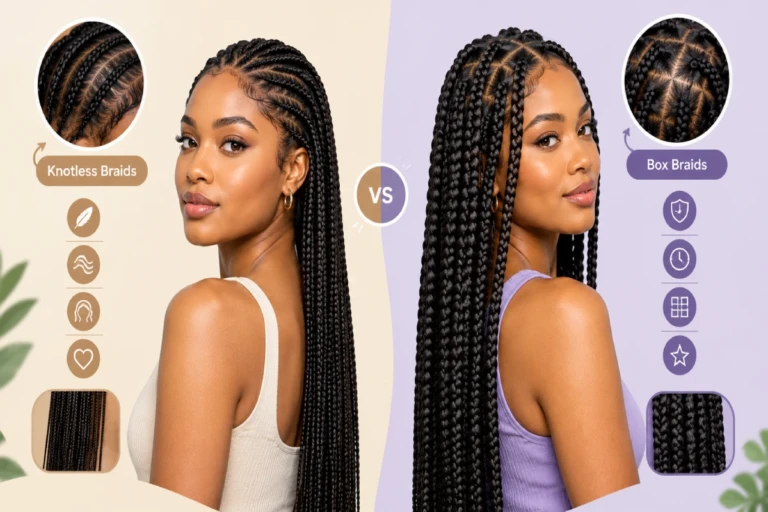
Knotless vs Box Braids: Difference, Lasting Time, Comfort and Style
The main difference between knotless vs box braids comes down to how each style starts at the root. Box braids start with a small knot that secures the extension hair

Difference Between 3C and 4A Hair: Types, Texture & Styles
If you’ve ever looked at a curl chart and felt like your hair belongs in two boxes at once, you’re in good company. 3C and 4A sit right next to