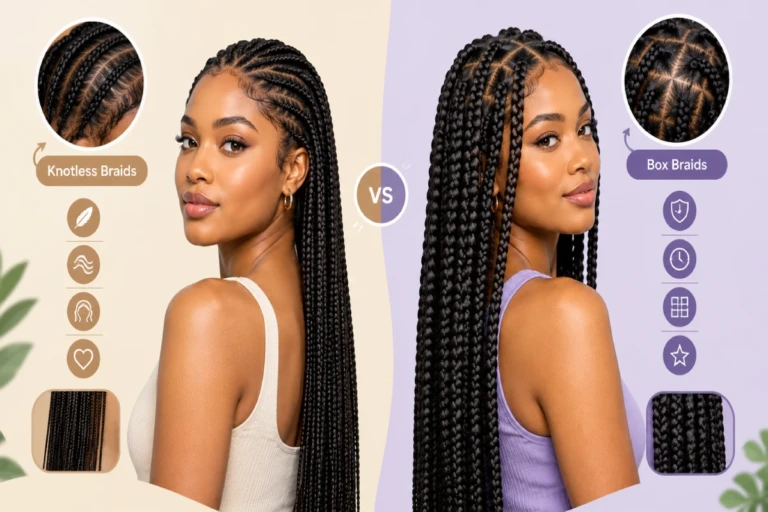
The main difference between knotless vs box braids comes down to how each style starts at the root. Box braids start with a small knot that secures the extension hair to your natural hair, creating a bump at the base. Knotless braids skip that step entirely; the extension hair is fed in gradually as the braid is created, so there’s no knot and the root lies flatter against your scalp.
That single difference in starting method is what shapes almost everything else people notice: how the roots look, how the style feels right after installation, and how it wears over time.
What Are Knotless Braids?
Knotless braids are a braiding technique in which your natural hair is braided first, and small sections of extension hair are gradually added as the braid grows. Instead of tying a knot to attach the hair, the stylist “feeds” the extension in bit by bit, which is why this method is sometimes called the feed-in technique.
Because there’s no knot at the base, the root section tends to look more like your natural hair growing directly into the braid. This gradual approach is also what gives knotless braids their reputation for feeling lighter at the scalp, since the fullest, heaviest part of the extension only kicks in a couple of inches down rather than right at the root. If you want a closer look at how this style works and the different ways it can be worn, this guide to knotless braids breaks down the technique and styling options in more detail.
What Are Box Braids?
Box braids are the traditional braiding method most people picture when they think of braided extensions. The hair is sectioned into small, box-shaped parts, and the extension hair is attached at the root with a small knot before the braiding continues down the length.
That knot is what gives box braids their defined, slightly raised base, a look many people associate with a classic, structured braid. It’s a quicker method to install since the stylist doesn’t have to feed hair in gradually, but it does mean the root area carries more bulk from the very start. For a fuller breakdown of the technique, sizing, and styling, this guide on box braids covers what to expect from a traditional install.
Difference Between Knotless and Box Braids
The difference between knotless and box braids shows up in a handful of specific areas: how the style is installed, how the roots look and feel, how much tension you notice at the scalp, how much weight is added, and how each style holds up over time.
Here’s a side-by-side look at how the two compare:
| Feature | Knotless Braids | Box Braids |
| Starting method | Extensions are gradually added into the braid | Extensions are traditionally secured at the base |
| Root appearance | Flatter and more seamless | More visible knot at the base |
| Initial feel | Generally less bulky at the roots | Can feel tighter or heavier at the roots |
| Weight | Often feels lighter around the scalp | Weight can be more noticeable depending on added hair |
| Installation | Usually more time-consuming | Generally quicker to install |
| Appearance | More natural-looking root transition | More defined traditional braid base |
| Styling | Flexible for different hairstyles | Flexible for different hairstyles |
| Longevity | Depends on installation and maintenance | Depends on installation and maintenance |
In short, knotless braids tend to prioritize a softer, more natural root and a lighter starting feel, while box braids offer a quicker install with a more defined, traditional base. Neither is objectively “better”; they simply distribute weight and tension differently, which is why some people prefer one over the other depending on their hair type, scalp sensitivity, or how much time they have for the install.
Knotless vs Box Braids: Comfort and Tension
Comfort is one of the biggest factors people weigh when deciding between knotless vs box braids, especially in the first day or two after getting braids done.
Because knotless braids build up gradually, many people find there’s less immediate pulling right at the root, which can make the first few days more comfortable, particularly for those with a sensitive scalp. Box braids, since the extension hair is attached from the very start, can feel tighter or heavier at the root right after installation, though that tightness typically eases as the braids settle.
That said, comfort isn’t guaranteed by style alone. It depends heavily on installation, how tightly the braids are done, the size of the braids, and how much hair is used per section. A knotless braid installed too tightly can still feel uncomfortable, and a well-installed box braid can feel perfectly fine. Individual hair density and scalp sensitivity also play a role, so what feels light for one person may feel different for someone else.
Knotless vs Box Braids: Which Lasts Longer?
A common question is which lasts longer, knotless vs box braids, and the honest answer is that neither style has a built-in advantage when it comes to longevity. Both can hold up well for several weeks when installed properly and cared for consistently.
What actually affects how long either style stays neat includes:
- How well the hair was braided at installation
- The size of the braids (smaller braids often last longer than larger ones)
- How the hair is maintained day to day, including nighttime protection and scalp care
- Natural hair growth, which eventually causes new growth at the root regardless of style
Some people find their knotless braids hold their shape a bit longer simply because there’s no knot to loosen or slip over time. Others get just as much wear out of box braids with the right maintenance routine. Rather than assuming one style automatically outlasts the other, it’s more accurate to say longevity comes down to how the braids are installed and cared for.
Knotless vs Box Braids: Style and Appearance
When it comes to appearance, the differences between knotless vs box braids are mostly about the root and how the braid moves.
Knotless braids tend to have a softer, more seamless look where the braid appears to grow naturally out of the scalp, since there’s no knot creating a visible bump. This can make the style look a bit more like natural hair, especially near a middle or side part. Box braids, on the other hand, have a more defined base thanks to the knot, giving them a classic, structured look that many people recognize instantly.
Both styles offer plenty of flexibility once installed. You can wear either in various sizes, part them in different ways, style them into updos, or add accessories. The movement can differ slightly too: knotless braids sometimes swing a bit more freely near the root since there’s less bulk holding that section in place, while box braids can feel a touch more secure right at the base. Neither difference is dramatic, but it’s often what people notice when comparing photos of the two styles side by side.
Knotless vs Box Braids: Which Should You Choose?
There’s no universal winner between knotless braids vs box braids; the right choice depends on what you value most.
If a flatter root, a lighter feel in the first few days, and a more natural-looking transition at the scalp matter to you, knotless braids are likely the better fit. If you’d rather have a quicker installation appointment and don’t mind a more defined, traditional base, box braids might suit your routine better.
It’s also worth thinking about how much time you have for the appointment itself, since knotless braids generally take longer to install due to the feed-in method. If your schedule is tight, that’s a practical factor worth weighing alongside comfort and appearance. Ultimately, matching the style to your priorities rather than picking whichever one is trending tends to lead to a better experience either way.
Are Knotless and Box Braids the Same?
No, knotless and box braids are not the same, though they’re closely related and often compared because they share the same overall braided structure. The core difference is in how the extension hair is attached: box braids use a knot at the base, while knotless braids feed the hair in gradually without one.
Because both styles use similar sectioning, sizing options, and styling versatility, they can look fairly similar from a distance, which is likely why the question “is knotless and box braids the same” comes up so often. Up close, though, the root tells the story: a visible knot means box braids, while a smooth, gradual root means knotless.
FAQs About Knotless vs Box Braids
What is the difference between knotless and box braids?
The main difference is how the extension hair is attached. Box braids use a knot at the root, while knotless braids feed the hair in gradually, resulting in a flatter, more natural-looking base.
What’s the difference between knotless and box braids?
Beyond the root, the two styles differ slightly in initial comfort, installation time, and how much weight is felt at the scalp, though both offer similar styling flexibility and can last a comparable amount of time with proper care.
Are knotless and box braids the same?
No. They’re related styles with a similar braided structure, but knotless braids skip the base knot that traditional box braids use, which changes how the root looks and feels.
Which lasts longer, knotless or box braids?
Neither style is guaranteed to last longer than the other. Longevity depends more on installation quality, braid size, and maintenance than on which method was used.
Are knotless braids more comfortable than box braids?
Many people find knotless braids feel lighter at the root, especially right after installation, but comfort also depends on braid size, tension, and individual scalp sensitivity.
Are knotless braids and box braids styled the same way?
Yes, for the most part. Both styles can be parted, sized, and styled in similar ways; the main visual difference comes down to how the root looks rather than how the style can be worn.
Choose the Braid Style That Fits Your Routine
Knotless and box braids give you different experiences, even though they share the same basic braided structure. The choice comes down to what matters most to you, whether that is a flatter root, lighter feel, traditional box-braid definition, installation time, or how long you want the style to stay neat.
Once you know which look and feel you prefer, the next step is choosing the right hair for the style. Explore braiding hair options at The NiCa Collection to find extensions that match the length, texture, and finish you want for your next set.
Share this Article
Facebook
LinkedIn
WhatsApp
Email
Print
Latest Posts



Find the perfect hair for your next look?
Explore a curated selection of premium extensions and wigs from trusted vendors on NiCa Collection.
Read Related Blog
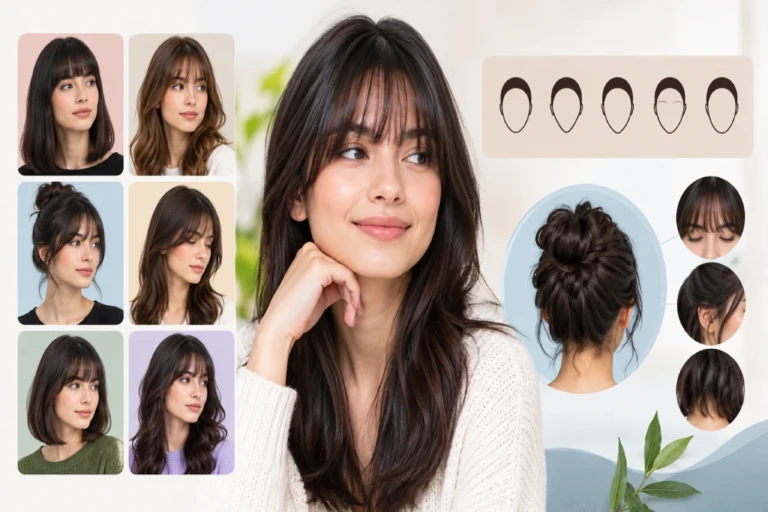
Bangs Hair: Types, Hairstyles and Face Shape Guide
October 16, 2026
Bangs hair is a section of hair at the front of the head that is cut shorter than the rest, so it falls over the forehead. In the UK and

Difference Between 3C and 4A Hair: Types, Texture & Styles
October 8, 2026
If you’ve ever looked at a curl chart and felt like your hair belongs in two boxes at once, you’re in good company. 3C and 4A sit right next to
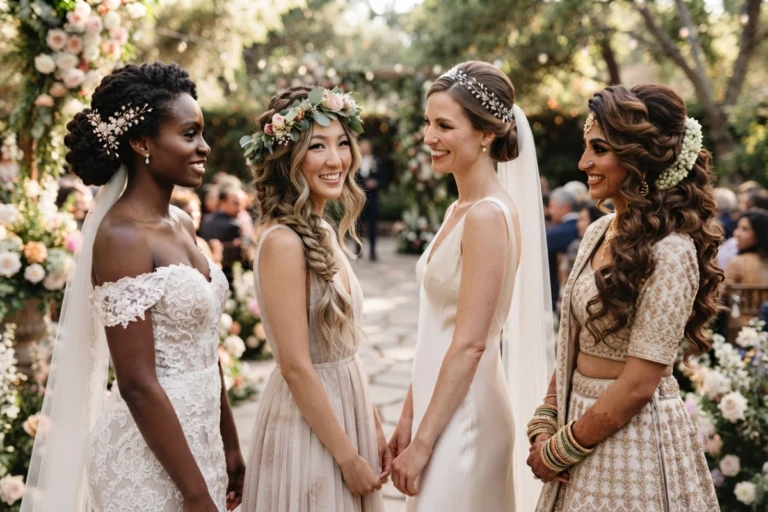
Bridal Hair Styles: Types, Wedding Ideas & Styling Tips
September 28, 2026
The right bridal hairstyle is not the one saved most often on Pinterest. It is the one that works with your dress, your actual hair, your venue, and the number