Hair extensions have quietly become one of the easiest ways to add length, volume, and a little extra confidence to your everyday look. You do not need a dramatic makeover or a two-year growing-out phase. You just need the right method for your hair.
That is usually where the confusion starts. Walk into any conversation about extensions, and you will hear two names again and again: tape-ins and clip-ins. Both use real hair, both promise fuller results, and both have loyal fans who swear their choice is the only sensible one.
Here is the honest answer. The tape in vs clip in extensions debate does not have a clear winner. It has a right answer for you, and that answer depends on how often you want to wear them, how much time you have in the morning, whether you enjoy salon visits, and what your natural hair can comfortably support.
In this guide, we will walk through how each method works, how to apply clip-ins step by step, which type suits different hair types, and the mistakes that quietly ruin good extensions. By the end, you should know exactly which set belongs in your bathroom drawer.
Tape-in vs Clip-in extensions: What’s the Difference?
If you have ever wondered why one set costs more and takes longer to fit, the difference comes down to how the hair attaches to your own.
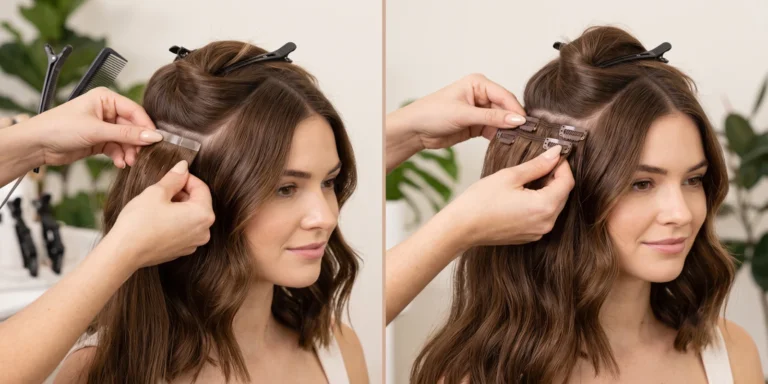
Tape-in extensions are thin, pre-taped wefts that sandwich a small section of your natural hair between two adhesive strips. They sit flat against the scalp and stay put for roughly six to eight weeks before they need to be moved up as your hair grows. A stylist normally applies and removes them.
Clip-in extensions are wefts fitted with small pressure clips. You put them in yourself in a few minutes, wear them for the day, and take them out at night. Nothing is glued, bonded, or left in place.
That is really the whole story: semi-permanent versus temporary. Tape-ins live in your hair. Clip-ins visit it.
| Feature | Tape-In Extensions | Clip-In Extensions |
| Type | Semi-permanent | Temporary |
| Application | Professional salon fitting | DIY at home |
| Time to apply | 60 to 90 minutes | 5 to 15 minutes |
| Wear time | 6 to 8 weeks per fitting | Hours at a time, removed daily |
Once you understand the attachment method, the practical side of clip-ins makes a lot more sense.
How Do Clip-In Extensions Work?
So how do clip-in extensions work in practice? Each weft is a strip of hair with two to four small clips sewn along the top edge. The clips are pressure-sensitive, which means you open them, press them shut over a thin section of your own hair, and they grip without any adhesive at all.
Because nothing bonds to your hair, there is no chemical process, no heat, and no waiting. You control the placement, the volume, and how long they stay in.
The wefts also come in different widths so you can build a natural shape. Wider pieces go across the back of the head, narrower ones fill in near the temples, and single-clip pieces add small pops of length or colour around the face.
Good quality clip-ins made from 100% human hair extensions are fully reusable. Treat them well, and a single set can last through months of regular wear, which is a large part of why beginners start here.
How Do You Use Clip-In Hair Extensions?
If you have never tried them, applying clip-ins looks more complicated than it is. Here is the routine most stylists teach.
- Brush your hair thoroughly – Tangles at the root make clips sit unevenly.
- Section from ear to ear – Clip the top half of your hair up and out of the way.
- Backcomb lightly at the roots – A gentle tease gives the clips something to grip, especially on fine or freshly washed hair.
- Start with the widest weft at the nape – Open the clips, press them down into the sectioned hair, and snap them closed.
- Work upward in layers – Release another horizontal section roughly an inch above the last, then add the next weft.
- Blend with a brush or curling iron – Loose waves through your own hair and the extensions together hide every seam.
- Remove before bed – Always. No exceptions.
Beginners tend to make three predictable mistakes: placing the top weft too high so it peeks through the parting, using too many wefts at once, and choosing a shade that is close but not quite right. Take your time with placement, and you will avoid all three. If you are still unsure about colour, finding your perfect shade guide is a good starting point.
Benefits of Clip-In Hair Extensions
Think about your daily routine before deciding, because clip-ins are built for flexibility above everything else.
- No salon appointment – You apply and remove them yourself, whenever you like.
- No adhesive – Nothing bonds to your strands, so there is nothing to break down.
- Minimal stress on natural hair when placed correctly and rotated between sections.
- Budget-friendly over time – One set, no maintenance appointments.
- Total styling freedom – Long today, shoulder-length tomorrow, thick and curled for a wedding on Saturday.
- Ideal for occasional wear such as events, holidays, and photo shoots.
- The friendliest entry point for anyone trying extensions for the first time.
If that sounds like your life, browse the hair extensions range and start with a set that matches your natural density. But if you want length that’s there every morning without any effort, tape-ins deserve a serious look.

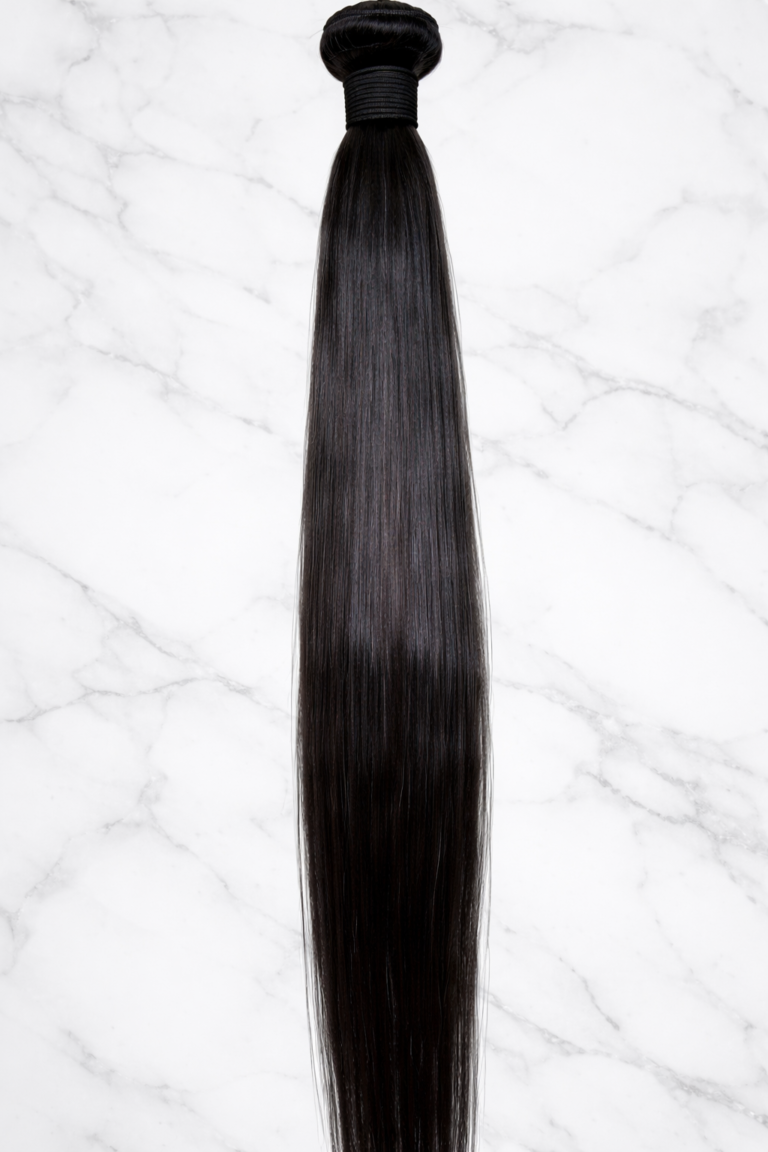

Benefits of Tape-In Hair Extensions
Tape-ins are for people who want extensions to feel like their own hair, not an accessory they put on.
- Long wear – Six to eight weeks between appointments, with no daily application.
- Featherlight – The wefts are thin, and the weight spreads across a wide surface instead of concentrating on a few points.
- Invisible finish – They lie flat against the scalp, so hair can be worn up or parted without exposing the attachment.
- Made for daily life – Gym sessions, ponytails, swimming, sleeping, all with the extensions in.
- Reusable – The hair is re-taped and refitted several times if it is cared for properly.
- Genuinely good for fine hair – because the flat attachment avoids the bulk that heavier methods create.
The trade-off is commitment. You need a stylist, a maintenance schedule, and a sulphate-free routine.
Tape-In vs Clip-In Hair Extensions Comparison
Here is where many people finally make up their mind.
| Factor | Tape-In Extensions | Clip-In Extensions |
| Installation | Professional, 60 to 90 minutes | DIY, 5 to 15 minutes |
| Maintenance | Salon refit every 6 to 8 weeks | Wash and store as needed |
| Longevity of hair | 6 to 12 months with refits | 6 to 12 months with regular wear |
| Cost | Higher, ongoing salon fees | One-time purchase |
| Comfort | Flat and lightweight once settled | Very comfortable, removed at night |
| Risk to natural hair | Low with correct removal, higher if pulled out | Low, though repeated tight clipping can stress roots |
| Styling flexibility | Consistent look every day | Change length and volume daily |
| Daily wear | Excellent | Good, but requires daily application |
| Removal | Salon solution required | Unclip in under a minute |
| Best for beginners | Less so | Yes |
Numbers only take you so far, though. Your hair type has an opinion too.
Which Extensions Are Better for Your Hair Type?
Fine hair – Tape-ins usually win. The flat, lightweight attachment distributes tension gently. If you prefer clip-ins, choose fewer wefts and lighter grams.
Thick hair – Either works. Thick hair needs more wefts for blending, so many people use clip-ins for volume and length on demand.
Short hair – Tape-ins tend to blend better, since clips can be visible if there is not enough hair to cover them. As a rule, wait until your hair reaches chin length or longer.
Curly hair – Clip-ins are more forgiving. Natural texture hides the wefts, and you can remove them before a wash-day routine instead of working around them.
Straight hair – Both blend well. Straight hair shows placement mistakes more clearly, so take extra care with sectioning.
Colour-treated hair – Clip-ins are the safer option while your hair recovers from processing, because nothing adheres to fragile strands.
Hair type narrows the field. Lifestyle usually decides it.
Which Extensions Fit Your Lifestyle?
Choose Clip-Ins If You…
- Wear extensions for events rather than every day
- Enjoy changing your hairstyle often
- Want a transformation in under fifteen minutes
- Travel frequently and pack light
- Prefer doing your own hair at home
Choose Tape-Ins If You…
- Want length and volume every single day
- Are looking for a longer-term solution
- Do not mind a salon visit every couple of months
- Want the most seamless, undetectable finish possible
Whichever you choose, the way you look after them matters more than the method itself.
Common Mistakes to Avoid
Common Mistake: Sleeping in clip-in extensions. It is the single fastest way to tangle the wefts, loosen the clips, and pull on your own roots overnight. Two minutes of removal saves you a ruined set.
Other habits worth breaking:
- Turning heat tools up to maximum. Extensions do not repair themselves the way growing hair does.
- Placing wefts too close to the hairline or parting.
- Skipping tape-in maintenance appointments and letting the wefts grow out too far.
- Buying synthetic hair and expecting it to style like your own.
- Guessing your shade instead of matching it against your mid-lengths in daylight.
How to Care for Both Types of Extensions
Extensions do not receive natural oils from your scalp, so they rely entirely on how you treat them.
Washing. Wash clip-ins every fifteen to twenty wears using a sulphate-free shampoo and cool water. For tape-ins, wash your hair as usual but keep conditioner away from the attachment points.
Brushing. Use a loop brush or soft bristle brush and always start at the ends, working upward.
Heat styling. Stay at or below 180 degrees Celsius and always use heat protectant. Avoid heat directly on tape bonds.
Storage. Keep clip-ins flat or hanging in a fabric storage bag, never crumpled in a drawer.
Products to avoid. Sulphates, heavy silicones, and alcohol-based sprays shorten the lifespan of any set. A dedicated hair extension care guide and the right aftercare products make a visible difference by month three.
Which Extension Is Right for Me? Quick Checklist
- Do you want extensions every day? Tape-ins.
- Is this mainly for weddings, holidays, and nights out? Clip-ins.
- Is this your first set? Clip-ins.
- Is your hair fine and prone to bulk at the roots? Tape-ins.
- Do you want to avoid salon appointments? Clip-ins.
- Do you want the most seamless look for an updo? Tape-ins.
Why Choose The Nica Collection?
Method matters, but hair quality matters more. A poorly sourced set will tangle and dull within weeks, no matter how carefully it is applied.
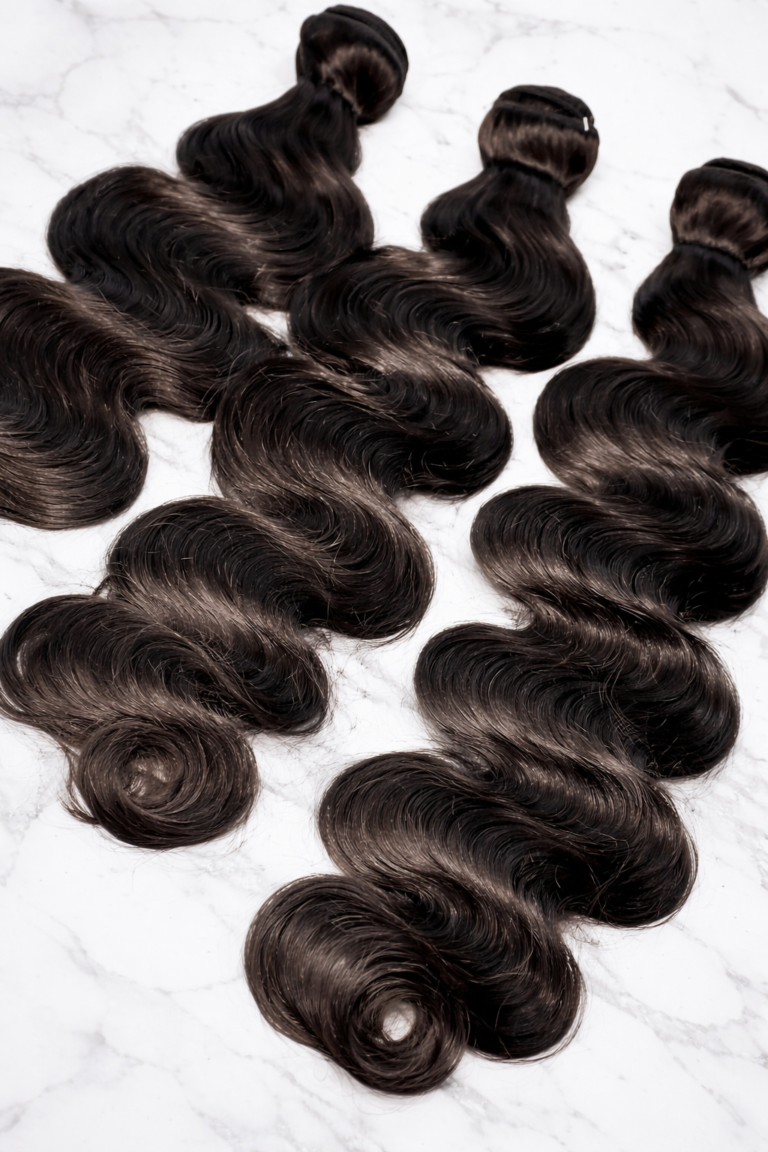
Every set at The Nica Collection is made from 100% premium human hair, chosen for a soft, natural finish that moves and reflects light like your own. The colour range is built for real matching rather than approximation, and the wefts are designed to style easily with everyday tools.
Stylists and first-time buyers use the same collections, which is the clearest signal we can offer about consistency. Browse the full range and shop premium hair extensions when you are ready, or reach out to our team if you would like help choosing between methods.
Frequently Asked Questions
Are tape-ins better than clip-ins?
Neither is better overall. Tape-ins suit daily long-term wear, while clip-ins suit occasional use and quick styling changes.
How do clip-in extensions work?
Wefts with pressure-sensitive clips attach to small sections of natural hair. No glue or heat is used, and they are fully reusable.
Can beginners use clip-in extensions?
Yes. Clip-ins are the most beginner-friendly method, needing only sectioning, clipping, and blending, usually within ten to fifteen minutes.
Do tape-in extensions damage natural hair?
Not when applied and removed professionally. Damage typically comes from pulling wefts out or skipping scheduled maintenance appointments.
Which extensions last longer?
Both last six to twelve months with care. Tape-ins stay in continuously, while clip-ins last longer between wears if stored well.
Can I wash clip-in extensions?
Yes. Wash every fifteen to twenty wears with sulphate-free shampoo in cool water, then air dry flat before storing.
Can I style both with heat?
Human hair extensions handle heat well below 180 degrees Celsius. Always use heat protectant and avoid direct heat on tape bonds.
Which extensions are best for thin hair?
Tape-ins usually suit thin hair best because they lie flat and spread weight evenly without creating bulk at the roots.
How often should tape-ins be maintained?
Every six to eight weeks. Wefts are removed, re-taped, and refitted closer to the scalp as your natural hair grows.
Which extensions should I buy from The Nica Collection?
Choose clip-ins for occasional flexible wear, or tape-ins for seamless daily length. Both use 100% premium human hair.
Final Thoughts
Both methods earn their place. Tape-ins deliver a seamless, everyday look that feels like your own hair, and clip-ins give you freedom to change your look in minutes without commitment or salon appointments.
The tape-in vs clip-in extensions decision really comes down to four things: how often you want to wear them, how much maintenance you enjoy, what your hair type can support, and what your budget looks like over a year rather than a single purchase.
Whichever direction you take, quality is the part you should not compromise on. Premium human hair blends better, styles more easily, and stays beautiful far longer than the cheaper alternatives. Explore The Nica Collection’s range and choose the set that fits the life you actually live.




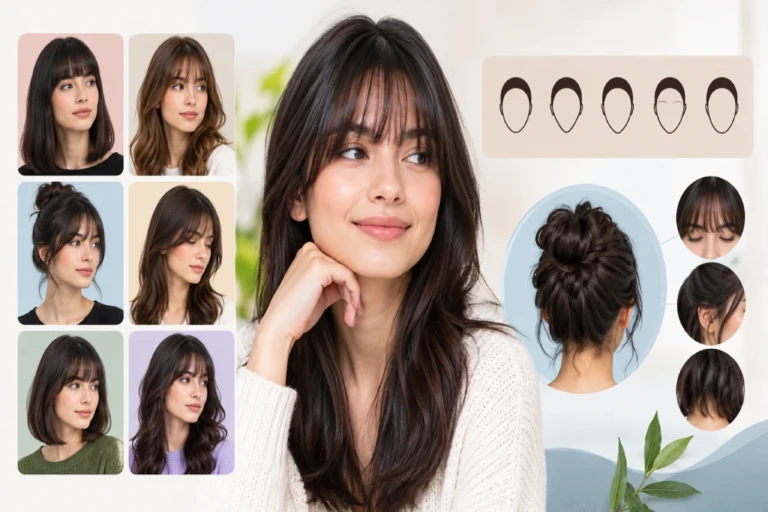
Bangs Hair: Types, Hairstyles and Face Shape Guide
Bangs hair is a section of hair at the front of the head that is cut shorter than the rest, so it falls over the forehead. In the UK and
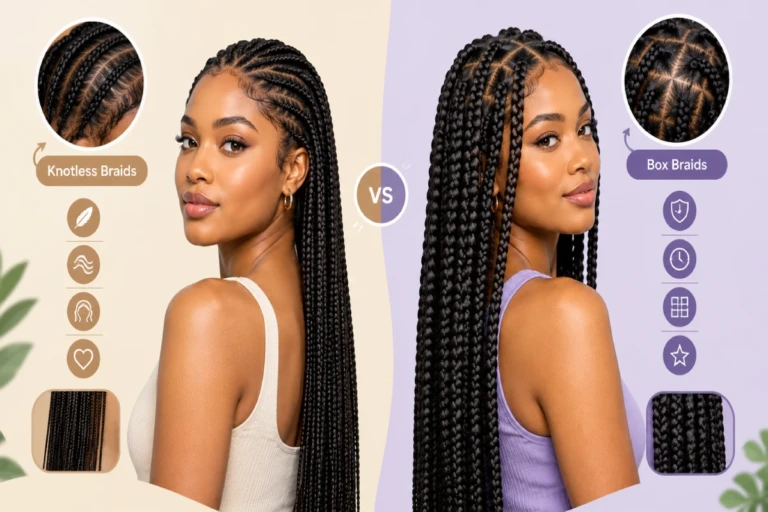
Knotless vs Box Braids: Difference, Lasting Time, Comfort and Style
The main difference between knotless vs box braids comes down to how each style starts at the root. Box braids start with a small knot that secures the extension hair

Difference Between 3C and 4A Hair: Types, Texture & Styles
If you’ve ever looked at a curl chart and felt like your hair belongs in two boxes at once, you’re in good company. 3C and 4A sit right next to