The beauty industry has evolved rapidly over the past decade, but one category has remained frustratingly inconsistent: hair extensions and wigs. Despite increasing demand, the buying experience is still fragmented, opaque, and often risky. Customers scroll through countless vendors, compare inconsistent product descriptions, and rely heavily on social proof that may or may not be authentic.
This isn’t just an inconvenience; it’s a structural flaw in how the market operates. The shift toward trusted, centralized marketplaces isn’t a trend. It’s a necessary evolution driven by consumer expectations, vendor challenges, and the growing role of technology in commerce.
The Hidden Cost of a Decentralized Market
At first glance, having thousands of independent vendors across social platforms and websites may seem like a sign of a thriving industry. In reality, it creates inefficiencies that affect every participant in the ecosystem.
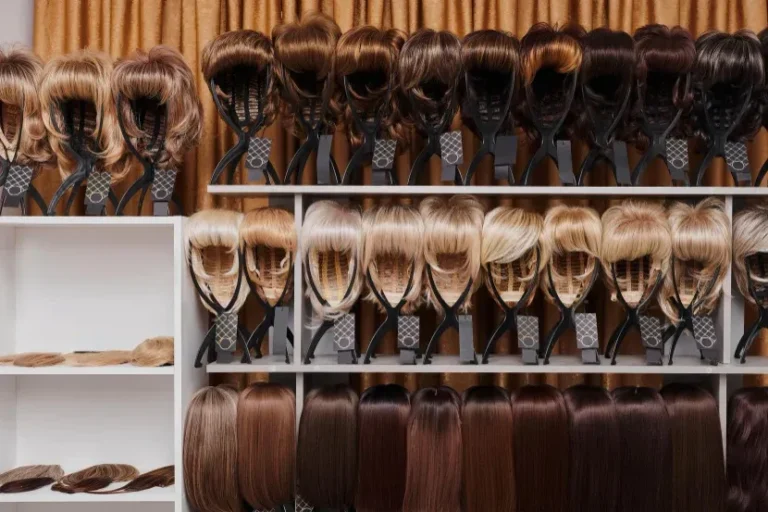
For customers, the cost shows up in uncertainty. Product images are often edited, descriptions lack standardization, and there is no universal grading system for quality. A “deep wave” from one vendor may look entirely different from another. Without consistent benchmarks, comparison becomes guesswork.
For vendors, especially high-quality ones, the problem is visibility. Exceptional products get buried under aggressive marketing tactics from lower-quality sellers. Competing on price rather than quality becomes the default, which ultimately erodes brand value.
This fragmented structure also limits scalability. Vendors spend more time building trust individually rather than benefiting from shared credibility within a larger, trusted system.
Trust as Infrastructure, Not Marketing
In traditional beauty retail, trust is often treated as a branding exercise, something communicated through visuals, testimonials, and influencer partnerships. But in a modern digital marketplace, trust must be embedded into the infrastructure itself.
This means verification processes, standardized product data, and transparent vendor accountability. When trust is built into the platform rather than layered on top of it, the entire experience changes.
Customers no longer need to “hope” a product matches its description. Vendors no longer need to overcompensate with marketing to prove credibility. The platform becomes the foundation that supports both sides.
This is the core philosophy behind platforms where trust isn’t a feature, it’s the framework.
Standardization Creates Clarity
One of the most underrated advantages of a centralized marketplace is standardization. In a trusted ecosystem, products are categorized using consistent criteria—hair origin, processing level, density, lace type, and texture are clearly defined and comparable across vendors.
This transforms the buying process from emotional decision-making into informed selection. Instead of relying on guesswork, customers can evaluate options based on clear, structured data.
Standardization also enables better discovery. When filters and matching systems are built on reliable data, customers can quickly find products that align with their exact needs—whether it’s a specific curl pattern, length, or construction type.
Quality Becomes the Competitive Advantage
In a fragmented market, visibility often depends on who can market the loudest. In a trusted marketplace, visibility is tied to quality, consistency, and performance.
This shift has profound implications. Vendors are incentivized to improve their products rather than their marketing tactics. Customer reviews become more meaningful because they exist within a verified ecosystem. Over time, the marketplace naturally elevates the best performers.
This creates a healthier competitive environment—one where excellence is rewarded and shortcuts are harder to sustain.
Data-Driven Personalization Changes the Experience
Modern consumers expect personalization, but true personalization requires structured data and intelligent systems. A trusted marketplace can analyze patterns across thousands of transactions, preferences, and product attributes to deliver highly relevant recommendations.
Instead of browsing endlessly, customers can be guided toward options that match their hair type, styling habits, and desired outcomes. This reduces decision fatigue and increases satisfaction.
For stylists, this level of precision enhances their role as advisors. They can confidently recommend products knowing that the platform supports their expertise with accurate data and reliable options.
Reducing Risk Without Sacrificing Choice
One of the biggest barriers to purchasing hair extensions online is risk. Customers worry about receiving products that don’t match expectations, while vendors worry about returns, disputes, and inconsistent demand.
A trusted marketplace addresses these concerns without limiting variety. By vetting vendors and implementing quality controls, the platform reduces the likelihood of negative experiences while still offering a wide selection.
This balance is critical. Consumers don’t want fewer choices—they want better choices. A curated marketplace delivers exactly that.
Empowering Vendors Through Structure
While much of the conversation focuses on customer benefits, the impact on vendors is equally significant. A trusted marketplace provides infrastructure that individual sellers would struggle to build on their own.
This includes secure payment systems, analytics dashboards, and access to a targeted audience, actually interested in premium products. Instead of spending resources on customer acquisition and trust-building, vendors can focus on refining their offerings and scaling their operations.
Early adopters in such ecosystems often gain a strategic advantage. As the platform grows, its visibility and credibility grow with it. creating long-term value that extends beyond individual transactions.
The Role of Technology in Shaping the Future
The next phase of beauty commerce will be defined by technology that enhances both discovery and decision-making. Artificial intelligence, pattern recognition, and predictive analytics are already beginning to influence how customers interact with products.
In a trusted marketplace, these technologies can operate at their full potential because they are built on reliable data. Smart matching systems can recommend products with remarkable accuracy, while insights generated from user behavior can inform both customers and vendors.
This creates a feedback loop where the platform continuously improves, becoming more intuitive and effective over time.
From Transactions to Ecosystems
The most important shift is conceptual. The future of beauty shopping isn’t about isolated transactions; it’s about interconnected ecosystems.
In a trusted marketplace, customers, stylists, and vendors are part of a shared environment where each interaction adds value. Stylists guide customers, customers provide feedback, and vendors refine their products based on real insights.
This interconnected model fosters collaboration rather than competition. It transforms the marketplace from a place where products are sold into a space where expertise, quality, and relationships converge.
Why This Shift Is Inevitable
Consumer behavior is evolving. People are no longer satisfied with uncertainty, especially when investing in premium products. They expect transparency, reliability, and efficiency, and they are willing to gravitate toward platforms that provide it.
At the same time, vendors are recognizing the limitations of operating in isolation. The benefits of shared infrastructure, collective trust, and targeted visibility are too significant to ignore.
As these forces converge, the rise of trusted marketplaces becomes inevitable. It’s not just a better way to shop, it’s a better way to build, scale, and sustain a business in the modern beauty industry.
Conclusion
The traditional model of buying hair extensions is being replaced by something more structured, more intelligent, and more reliable. Trusted marketplaces represent a fundamental upgrade to how the industry operates.
By embedding trust into the platform, standardizing information, and leveraging technology to enhance decision-making, these ecosystems solve problems that have existed for years.
For customers, it means confidence. For vendors, it means opportunity. And for the industry as a whole, it marks the beginning of a more transparent and sustainable future.