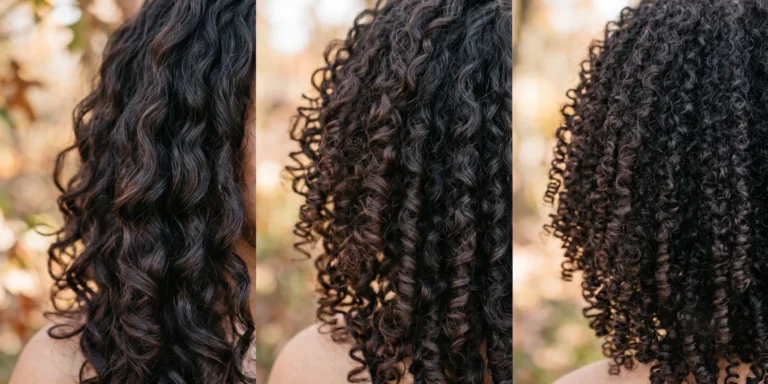
Type 4 hair is often described as coily, kinky, or tightly curled hair. It is known for its beautiful texture, remarkable versatility, and unique care requirements. While all Type 4 hair shares a tightly coiled structure, it is further categorized into 4A, 4B, and 4C hair types, each with distinct characteristics, curl patterns, and maintenance needs.
Understanding your specific Type 4 hair pattern can help you choose the right products, develop an effective hair care routine, and maintain healthy, moisturized strands.
What Is Type 4 Hair?
Type 4 hair consists of tightly coiled strands that form small curls, zig-zag patterns, or densely packed coils. Due to its structure, natural oils produced by the scalp have a harder time traveling down the hair shaft, making Type 4 hair more prone to dryness than straighter hair types.
Despite this challenge, Type 4 hair is highly versatile and can be worn in its natural state or styled in numerous ways while maintaining its unique texture.
Common Characteristics of Type 4 Hair
- Tight curls or coils
- Significant shrinkage when dry
- Naturally voluminous appearance
- Prone to dryness
- Delicate strands that require gentle handling
- Excellent versatility for protective styling
- Can range from fine to coarse textures
It’s important to remember that curl pattern does not determine hair health. Healthy Type 4 hair can exist in all textures, densities, and lengths.
Understanding the Type 4 Hair Categories
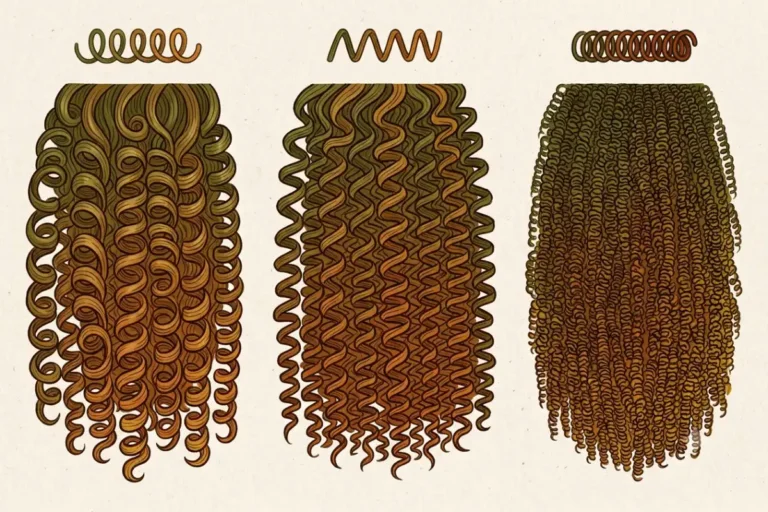
Type 4 hair is divided into three subcategories:
Each category represents a different curl pattern rather than a measure of hair quality.
What Is 4A Hair?
4A hair features well-defined, springy coils that resemble small “S”-shaped curls. The curl pattern is usually visible without manipulation and tends to have more natural definition than other Type 4 categories.
Characteristics of 4A Hair
- Tight, defined coils
- Visible “S” curl pattern
- Soft texture
- Moderate shrinkage
- Good curl definition
- Can retain moisture relatively well with proper care
Many people with 4A hair find that curl-enhancing products help emphasize their natural pattern while maintaining softness and manageability.
Common Challenges of 4A Hair
- Dryness
- Frizz
- Shrinkage
- Tangling if not properly moisturized
Care Tips for 4A Hair
- Use moisturizing shampoos and conditioners
- Apply leave-in conditioners regularly
- Deep condition weekly
- Detangle gently with conditioner
- Seal moisture with lightweight oils or creams
What Is 4B Hair?
4B hair has a less defined curl pattern and often forms sharp angles or a “Z” shape rather than distinct coils. The strands can bend at various points, creating a fluffy appearance with significant volume.
Characteristics of 4B Hair
- Z-shaped curl pattern
- Less visible curl definition
- Dense appearance
- High shrinkage
- Soft to coarse texture
- Significant volume
Unlike 4A hair, 4B curls may not naturally clump together into defined ringlets.
Common Challenges of 4B Hair
- Moisture loss
- Tangling
- Breakage due to dryness
- Shrinkage that can conceal actual hair length
Care Tips for 4B Hair
- Focus on moisture retention
- Use rich conditioners and creams
- Minimize excessive heat styling
- Protective style when needed
- Avoid rough detangling methods
Products that provide hydration and reduce friction can help maintain the health and elasticity of 4B hair.
What Is 4C Hair?
4C hair is the most tightly coiled hair type within the Type 4 category. It has very tight curls or bends that may not form a clearly visible pattern. The hair often experiences the highest degree of shrinkage and requires consistent moisture management.
Contrary to common misconceptions, 4C hair is not inherently difficult. It simply has specific care needs that differ from other hair types.
Characteristics of 4C Hair
- Extremely tight coils
- Minimal visible curl definition
- Significant shrinkage, often up to 70–80%
- Dense, full appearance
- Highly versatile styling options
- Prone to dryness if not properly moisturized
4C hair can be fine, medium, or coarse in texture and may appear different from person to person.
Common Challenges of 4C Hair
- Dryness
- Breakage from excessive manipulation
- Tangling
- Moisture retention difficulties
- Single-strand knots
Care Tips for 4C Hair
- Prioritize hydration and moisture retention
- Deep condition regularly
- Use protective styles when appropriate
- Avoid excessive brushing
- Sleep with satin or silk protection
- Handle hair gently during detangling
When properly cared for, 4C hair can thrive, retain length, and remain healthy and strong.
Key Differences Between 4A, 4B, and 4C Hair
4A Hair
- Defined S-shaped coils
- More visible curl pattern
- Moderate shrinkage
- Softer appearance
4B Hair
- Z-shaped bends
- Less defined curls
- Greater shrinkage
- Fluffy texture
4C Hair
- Tightest curl pattern
- Minimal visible definition
- Maximum shrinkage
- Dense and versatile structure
Many people have multiple curl patterns throughout their hair. It is common to have a combination of 4A, 4B, and 4C textures on different areas of the scalp.
Essential Hair Care Routine for Type 4 Hair
A consistent routine can help maintain moisture, reduce breakage, and support healthy growth.
Cleansing
Cleanse the scalp regularly using a gentle shampoo or co-wash product that removes buildup without stripping natural oils.
Conditioning
Use a moisturizing conditioner after every wash session to improve softness and manageability.
Deep Conditioning
Weekly deep conditioning treatments can replenish moisture and strengthen the hair shaft.
Moisturizing
Type 4 hair benefits from regular hydration.
Common moisturizing steps include:
- Water-based leave-in conditioner
- Cream moisturizer
- Oil or butter to seal moisture
Detangling
Detangle carefully using:
- Conditioner
- Fingers
- Wide-tooth comb
Start from the ends and gradually work toward the roots.
Protective Styles for Type 4 Hair
Protective styles can help reduce manipulation and support moisture retention.
Popular options include:
- Twists
- Braids
- Bantu knots
- Wigs
- Updos
- Flat twists
Protective styles should not be installed too tightly, as excessive tension can damage the hair and scalp.
Common Mistakes to Avoid
Many Type 4 hair concerns result from avoidable habits.
Avoid These Common Errors
- Overusing heat tools
- Skipping deep conditioning treatments
- Detangling dry hair
- Using harsh shampoos frequently
- Ignoring regular moisturizing
- Wearing overly tight hairstyles
Small changes in routine can significantly improve hair health over time.
Embracing Type 4 Hair
Type 4 hair is unique, versatile, and beautiful in all its forms. Whether your texture falls into the 4A, 4B, or 4C category, understanding your hair’s specific characteristics can help you create a routine that supports moisture retention, minimizes breakage, and promotes healthy growth.
Rather than focusing solely on curl pattern, prioritize healthy hair practices, consistent care, and products that meet your hair’s individual needs.
Frequently Asked Questions
Can I have more than one Type 4 hair pattern?
Yes. Many people have a mixture of 4A, 4B, and 4C textures throughout different sections of their hair.
Which Type 4 hair type experiences the most shrinkage?
4C hair typically experiences the greatest amount of shrinkage due to its tightly coiled structure.
Is Type 4 hair naturally dry?
Type 4 hair tends to become dry more easily because natural scalp oils have difficulty traveling down tightly coiled strands.
How often should Type 4 hair be deep conditioned?
Most people benefit from deep conditioning once a week, though frequency may vary based on hair condition and styling habits.
Is 4C hair stronger than other hair types?
While 4C hair may appear dense and resilient, its tightly coiled structure can make it more susceptible to breakage if not handled gently and kept properly moisturized.